
Columbia Men's Silver Ridge Utility Convertible Pants
Can cover full-length and shorts roles when changing leg coverage is part of the packing plan.
Consider: Detachable legs do not create a spare upper garment.
Check on Amazonfoundations
The second pair often enters a backpack without a clear job. It might be there for camp, a spill, a rainy afternoon or simply because packing one pair feels uncertain. Those are different reasons, and some are better solved by another layer rather than duplicate trousers. Start by assigning every garment a role. Then decide which roles need separate pieces and which can share the pair you wear.
Three places to start
As an Amazon Associate I earn from qualifying purchases. Purchases take place on Amazon.
Can cover full-length and shorts roles when changing leg coverage is part of the packing plan.
Consider: Detachable legs do not create a spare upper garment.
Check on Amazon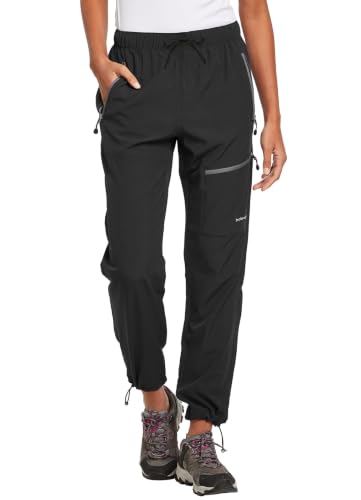
A lower-priced candidate for a two-pair laundry rotation if its fit is suitable.
Consider: No guaranteed overnight drying time.
Check on Amazon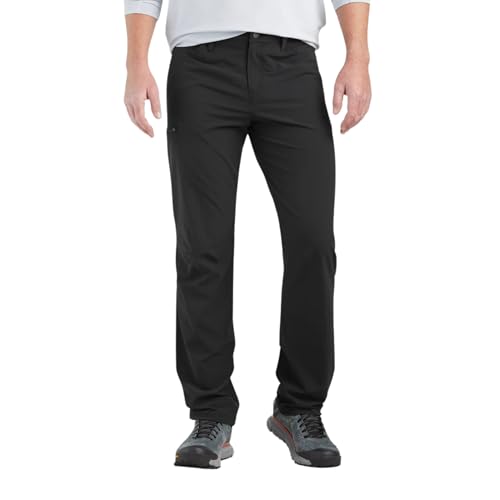
A documented technical option to evaluate as the main worn pair for repeated walking days.
Consider: Verify care and packed suitability rather than assuming premium means faster drying.
Check on AmazonEditorial selections from the products considered for this guide; not hands-on test awards. Budget and premium describe positioning, not a guaranteed current price.
Make three headings in your packing notes: walking, changing and weather coverage. Your everyday hiking pair fills the first role. A camp or travel garment may fill the second. A rain shell or baselayer can address a weather-related role without being an equivalent spare pair of walking trousers.
Keep the distinction honest. A waterproof shell may be useful over wet ground or rain, but it may not be comfortable as your only garment while your ordinary pants wash. A spare casual pair might cover a restaurant stop but offer little of the fit you want on a long trail day.
The right count is the smallest arrangement that meets the roles you actually need without depending on an implausible drying plan. You can still choose more clothing for convenience when traveling by car. The point is to make that convenience deliberate, not disguise it as a universal hiking requirement.
For a local walk followed by a return home, a second full pair in the daypack often has no defined purpose. Consider expected conditions, your other layers and whether a clean change can stay at the car or accommodation instead of traveling on your back.
A change after a muddy walk can be pleasant and practical. That does not mean it needs to be a second technical trouser. Comfortable clothes left at the end of the outing can serve the journey home. Keep them separate from damp or dirty equipment so that the intended clean change stays clean.
If your route plan includes conditions requiring additional clothing, choose that clothing for its function. Do not substitute “another pair of pants” for thinking through warmth, rain coverage or fit. The winter layering guide and rain guide address those decisions more precisely.
The difficult moment is often evening. The pants you have worn may be damp or dirty, the air may be cool, and there may be little time for drying before sleep. A plan that depends on washing everything after dinner and finding it dry at dawn can fail for reasons unrelated to the garment's marketing description.
Ask where wet clothing could hang without being exposed to more rain or pressed against other items. Consider airflow, available space and the thickness of waistbands and pockets. A light leg panel can feel dry while a layered waistband remains damp. No simple quick-dry claim guarantees the whole garment will be ready overnight.
A separate camp layer may provide the change you want, but evaluate whether it also needs to serve as backup walking clothing. Combining those roles can be useful. It can also create a problem if the only clean garment is unsuitable for the following day's route or temperatures.
When returning to the same accommodation, two usable pairs can form a simple wear-and-wash rotation. One is worn while the other is being cleaned or drying. The advantage comes from the laundry arrangement, not from an arbitrary rule that every multi-day trip needs exactly two hiking trousers.
Check the accommodation's actual facilities before relying on them. A washer without a suitable drying option may still leave a care-label conflict. A hot dryer is not a solution for a garment that prohibits it. Avoid assuming that a sink, suitable detergent and enough hanging space will always be available.
On a trip with separate urban days, you may prefer one trail pair and one unobtrusive travel trouser. Choose this because the roles differ, and verify that each can handle the duties assigned to it. A restrained pocket layout may help with town use, while a dedicated hiking model can remain the walking choice.
Adding one pair for every few days quickly increases bulk without solving where dirty clothing goes. Instead, identify realistic washing opportunities and the longest interval between them. Then decide whether you can comfortably reuse a pair, spot-clean it when appropriate and preserve a dry change.
Our multi-day laundry guide covers low-impact washing considerations. Outdoor washing depends on local rules and water availability. A remote water source is not automatically a laundry facility, and biodegradable soap does not make direct washing in streams appropriate.
Plan storage as carefully as cleaning. Separate damp, dirty garments from the change you are protecting. Once you return to facilities, open and dry items rather than leaving them compressed in a bag. A spare has value only if it is in a useful condition when needed.
If you carry two pairs, decide whether they should be identical in function. Two similar unlined trousers make rotation simple because either can be used on the same route. A lined and unlined pair provide different options, but the heavier pair may remain unused if the predicted cold period never materializes.
A convertible design can reduce the need for separate casual shorts for some travelers. It does not create a second independent pair of pants: when the upper section is washing or wet, detachable lower legs cannot serve as a spare garment. Keep the pieces together and consider where the removed legs will be carried.
Columbia's Men's Silver Ridge Utility Convertible Pant is an example of this two-length arrangement. Compare it with an ordinary Silver Ridge Utility Pant if your main question is whether changing coverage is useful. The convertible mechanism has value only when it replaces a role you would otherwise pack separately.
A lightweight listing can be a useful starting point when every packed item matters, but do not invent a packed size or weight from its image. If the manufacturer supplies a weight, check the stated size and model before comparing it with another garment. Different reference sizes can distort a seemingly precise comparison.
A BALEAF women's quick-dry jogger can be considered as a lower-cost rotation candidate when its exact fit and care requirements work for the trip. Outdoor Research's Ferrosi Pant is another option to examine when the desired size and inseam are available. Neither name guarantees a drying time in the conditions you will encounter.
Try packing the actual garment before departure. A waistband, cargo pockets and conversion zippers can occupy more space than a flat product image suggests. If the spare crowds out something more important in your own packing plan, revisit its assigned role rather than merely compressing the bag harder.
A small rehearsal can expose unrealistic assumptions. Wear the intended pants on a local walk, follow their care label, and observe how your available drying method works. This is personal planning, not a controlled product test. Your home conditions may differ from the trip, but you will learn where moisture tends to remain.
Try the intended replacement layer while the main pair is unavailable. Sit, walk and pack with it. If you would not reasonably wear that garment outside the room, it may be a camp-only change rather than the backup you thought you had.
Write the resulting plan in one sentence: “I will wear this pair, keep this separate change dry, and wash at this confirmed stop.” If the sentence requires unverified facilities or perfect weather, add flexibility. That may mean a second suitable pair, a different care choice or fewer planned washes.
Do not pack a second pair to compensate for a first pair that already fits badly. Two restrictive trousers are not a flexible wardrobe. Fix the primary fit problem before duplicating it, using the movement check if necessary.
Likewise, an extra ordinary trouser is not a substitute for understanding the weather limits of your clothing system. Counts are useful only after the garment roles make sense. The aim is reliable everyday use, a workable change when needed and a laundry plan that respects both the fabric and the place you are visiting.
| Trip arrangement | What the extra garment must accomplish |
|---|---|
| Local walk with a car at the finish | A clean ride-home change can stay at the car rather than becoming carried weight. |
| Repeated day hikes from accommodation | A rotation partner must be wearable while the main pair washes and dries. |
| Moving between overnight stops | A protected change must remain dry and suit its intended camp or backup-walking role. |
No. They provide two leg lengths using the same upper garment. If the upper section is wet or washing, the detached legs do not give you another wearable pair.
Possibly, if you can reuse and clean it as needed and have suitable clothing while it dries. A second pair may be more convenient. Confirm facilities and garment care rather than deciding by trip duration alone.
Matching pairs simplify rotation when both serve the same conditions. A different garment makes sense if it has a distinct role, but check whether it can also function as the backup you expect.
Pack by role and drying opportunity. One familiar pair can handle many short outings, while a second becomes useful when it provides a clean change or realistic laundry rotation. Do not count detachable legs as a spare, and do not assume an overnight quick-dry promise. A clear plan for what you wear, what stays dry and where washing happens is more valuable than a universal number. Add another garment only when you can explain the job it will do.