
Columbia Men's Silver Ridge Utility Convertible Pants
A two-length candidate for a trip where one garment can serve walking and shorts roles.
Consider: Manage both lower legs during laundry; no guaranteed drying time.
Check on Amazoncare
A damp pair on a hotel rail is inconvenient. The same pair at a campsite with no drying weather can reshape tomorrow's clothing plan. Laundry on a multi-day trip is therefore a logistics decision before it is a washing technique. Work out where cleaning is allowed, what you can wear while it happens and how the entire garment will dry. Sometimes the most useful choice is to postpone a full wash.
Three places to start
As an Amazon Associate I earn from qualifying purchases. Purchases take place on Amazon.
A two-length candidate for a trip where one garment can serve walking and shorts roles.
Consider: Manage both lower legs during laundry; no guaranteed drying time.
Check on Amazon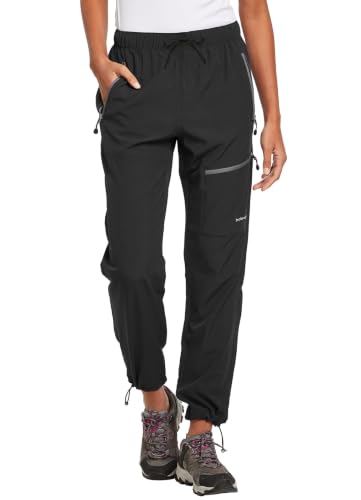
A lower-priced option to evaluate for a practical wear-and-wash rotation.
Consider: Confirm the received care instructions and inseam before relying on it for a trip.
Check on Amazon
A premium-position convertible option when adjustable coverage is worth the added components.
Consider: Detachable legs are not a spare pair and add pieces to keep track of.
Check on AmazonEditorial selections from the products considered for this guide; not hands-on test awards. Budget and premium describe positioning, not a guaranteed current price.
Mark actual opportunities rather than assuming every overnight stop has a washer, sink or place to hang wet clothes. Accommodation descriptions, campground rules and laundry availability can differ. Confirm what you need when it affects whether your clothing plan will work.
For a hotel-based trip, identify which evening offers enough time for drying before the next departure. On a route with resupply stops, consider the longest stretch between suitable facilities. A late arrival followed by an early start may be a poor laundry window even when a machine is available.
Keep the garment's permitted drying method beside this plan. A facility with only high-heat drying does not solve the problem for trousers that prohibit it. Do not build your trip around using a care process you would avoid at home.
Inspect the garment at the end of the day. A little surface dust or one muddy cuff may not require washing the entire pair. Appropriate spot cleaning can reduce the amount of wet fabric you need to dry, provided the garment instructions and local setting allow it.
Airing can be useful for damp clothing, but it is not equivalent to removing dirt or other residues. Assess the waistband and other high-contact areas rather than judging only the visible legs. If the whole pair is soiled, schedule proper cleaning at the next suitable opportunity.
Avoid a fixed rule such as washing after every second day. Time worn, exertion, weather and contamination vary. The goal is a functional, reasonably clean garment and a realistic plan, not compliance with an arbitrary number of trail days.
The Appalachian Trail Conservancy's Leave No Trace guidance advises washing bodies, dishes and clothing at least 200 feet from water sources and using biodegradable soap sparingly. The National Park Service likewise explains keeping washing and wastewater away from streams and lakes. Local regulations or sensitive sites can require stricter handling.
Biodegradable does not mean appropriate for direct use in a stream or lake. Do not wash trousers while standing in the water, and do not treat a natural pool as a rinse basin. Carrying water away from the source and following the site's disposal guidance are separate parts of low-impact washing.
If you cannot identify a permitted washing location and wastewater process, use established facilities later. A garment's need for cleaning does not override land-management rules. This is particularly relevant where water is scarce, vegetation is fragile or facilities require containment rather than ordinary dispersal.
Bring only a product known to be compatible with the garments you intend to wash and permitted for the setting. Follow its directions and use the appropriate amount. A travel bottle without a readable label makes it harder to verify what you are applying and how to handle it.
Do not assume any campground soap is suitable for a treated trouser. A product intended for general body washing or dishes may not match clothing-care instructions. If compatibility is uncertain, a proper wash at a facility with the right product may be the better choice.
A container used for laundry should also be suitable for the task and kept distinct from your drinking-water equipment. Avoid improvising with a vessel whose residues or construction are uncertain. The convenience of one multipurpose item is not useful if it contaminates another part of the trip setup.
Where hand washing is permitted by both garment care and location rules, prepare the pants by emptying pockets and removing loose debris appropriately. Follow the detergent and garment directions for water, handling and rinsing. A quick dip with soap left in a pocket is not a completed wash.
Handle the fabric without forceful twisting, especially around waist elastics and shaped panels. Remove excess water only by a method compatible with the garment. The objective is to reduce drying burden without distorting components or damaging a finish.
Keep wastewater management in the plan throughout the process, including rinsing. Do not complete a careful wash away from a stream and then pour the rinse water into it. Follow the relevant site guidance for all water used in the laundry process, or choose a facility where it can be managed properly.
Pockets, waistbands, seams and conversion zippers can hold moisture differently from a single fabric layer. Arrange the trousers so that airflow can reach these areas when the care instructions permit. Avoid leaving the garment folded into a dense bundle and judging readiness by an exposed knee panel.
Weather and shelter matter. High humidity, rain and poor airflow can limit drying even for a model marketed as quick dry. No general product phrase guarantees an overnight result. Allow more flexibility when the departure schedule gives you little margin.
Do not use fires, heaters or other concentrated heat as a shortcut. Follow the permitted process. If the pair remains damp, your plan needs another suitable garment or a revised laundry schedule, not an improvised drying method that ignores its label.
Before washing, know what you will wear while the main pair is unavailable. A clean travel trouser, camp layer or second hiking pair may fill that role, but they are not automatically interchangeable. Check whether the change can also serve the following day's walking if drying takes longer than expected.
Store the intended dry change separately from damp gear. If dirty clothing must be contained during transit, keep that arrangement temporary and unpack it when appropriate. A spare packed against wet trousers can lose the very advantage you brought it for.
The packing-count guide helps distinguish a rotation pair from another weather layer. A rain shell is not necessarily a comfortable laundry-day substitute, and detachable lower legs do not create a second wearable upper garment.
If your pants zip into shorts, follow the manufacturer's care instructions for attached or detached washing. Keep both lower legs identified and together so that a small component is not left behind at a sink, laundry room or drying area.
Check the zippers and pocket assemblies as part of drying. A full-length pair may appear ready until you reconnect a damp lower leg or discover grit in the zipper. Clean and operate hardware as directed rather than forcing it when obstructed.
Columbia Silver Ridge Utility Convertible and Outdoor Research Ferrosi Convert examples can suit a packing plan where changing coverage has a clear role. They do not eliminate laundry needs. A simpler unlined full-length pair may be easier for a traveler who never removes the legs and prefers fewer pieces to manage.
If handing garments to a laundry service, communicate the actual care requirements and confirm whether the service can follow them. Do not assume a generic wash-and-dry package includes low heat, special handling or separation of accessories.
Keep the order or service details, and inspect the returned garment before packing it away. Verify detachable pieces, belt and pocket contents where relevant. A rushed check at departure can miss an item that is difficult to recover later.
For self-service machines, read the controls and product instructions before loading. unfamiliar symbols or settings deserve clarification. If the machine cannot provide the permitted process, use another option. The convenience of finishing quickly should not decide how a technical garment is treated.
After arriving home, unpack damp or dirty clothing promptly and return to the garment's normal care routine. Inspect for damage and stubborn marks rather than leaving everything compressed until the next outing. The home laundry guide covers that full workflow.
If a stain or odor remains, use the soil-specific guide to identify the problem. Travel conditions may have limited what you could clean, but there is no need to repeat those compromises once suitable facilities are available.
Record which parts of the plan worked. Perhaps one pair was sufficient because the accommodation drying space was excellent, or a second pair proved useful after an unexpectedly damp evening. Let those observations shape your next packing decision instead of adopting a universal clothing count from someone else's trip.
No. Biodegradability is not permission for direct use in natural water. Follow local rules and low-impact guidance for washing and managing wastewater away from water sources.
Avoid starting a full wash without a workable alternative. Use an appropriate change, postpone cleaning until a suitable stop, or revise the clothing rotation. Do not force drying with prohibited heat.
No. A damp compressed garment still needs appropriate drying. Keep it separate from your dry change during temporary transport and unpack it when you can complete the process.
Treat trail laundry as a chain: permission, compatible care, a usable change, rinsing and complete drying. A missing link can make a full wash less practical than planned reuse or limited cleaning. Preserve water sources, respect local handling rules and do not let a quick-dry label substitute for a drying location. The best system is the one you can actually carry out on the trip, then improve with observations when you return—not the one that assumes ideal weather and facilities at every stop.