
Columbia Men's Silver Ridge Utility Pants
A documented option for readers replacing worn pants after separating stains from structural problems.
Consider: No stain-proof or odor-proof claim is made.
Check on Amazoncare
The brown cuff, oily pocket edge and lingering waistband odor are three different cleaning problems. Treating them all with the strongest product in the cupboard can create a fourth. Start by identifying what is on the fabric and which part of the garment is affected. A targeted, compatible approach is easier to evaluate than repeated full washes that change several variables at once.
Three places to start
As an Amazon Associate I earn from qualifying purchases. Purchases take place on Amazon.
A documented option for readers replacing worn pants after separating stains from structural problems.
Consider: No stain-proof or odor-proof claim is made.
Check on Amazon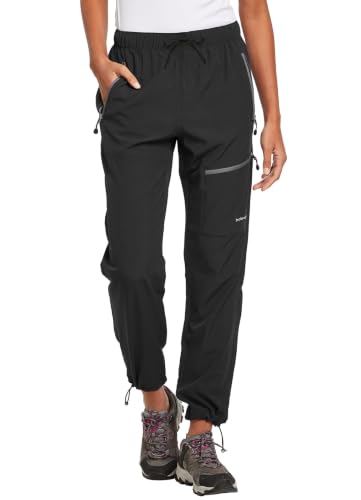
A lower-cost replacement to consider when the actual fit and care instructions suit your routine.
Consider: A quick-dry listing does not promise that every layered area dries at the same rate.
Check on Amazon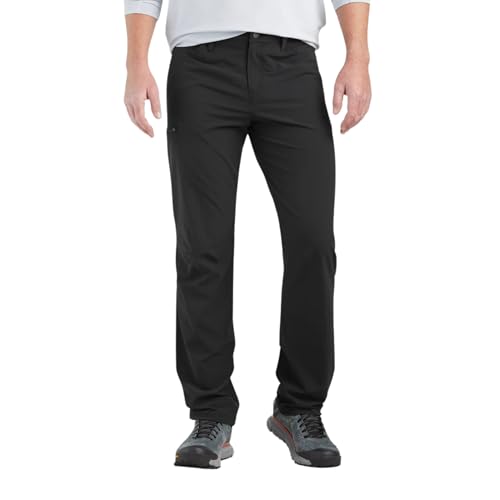
A premium-position alternative to evaluate for long-term ownership fit.
Consider: Price cannot guarantee immunity to stains or odor.
Check on AmazonEditorial selections from the products considered for this guide; not hands-on test awards. Budget and premium describe positioning, not a guaranteed current price.
Look at the area in good light before wetting or rubbing it. Surface dirt may sit in folds or brush away when the garment instructions permit gentle cleaning. A discolored area within the textile may be a stain. A shiny, thinned or frayed patch may instead be wear that cleaning cannot reverse.
Compare both sides if accessible. A mark beside a pocket can come from the object carried inside, while a cuff can collect several kinds of residue from the ground. Keep track of what happened on the outing rather than assuming every outdoor mark is mud.
Photograph an unfamiliar mark before treatment. This is useful if you need manufacturer advice or want to determine whether a permitted cleaning step changed it. Do not keep scrubbing merely because the surface looks different from the surrounding panel; the difference may be abrasion rather than removable soil.
Check the care guidance before tackling a heavily soiled cuff or knee. Remove loose material carefully when appropriate, keeping grit from being worked repeatedly across the textile. Inspect seam folds and pocket openings where dirt can remain after the main panel appears clear.
Avoid forcing stiff debris through a zipper. Clean the surrounding area using a compatible method before operating the closure, and stop if it remains obstructed. A laundry problem should not become a broken-hardware problem through repeated pulling.
If machine washing is permitted, prepare the pants and choose the cycle described on the label. A load packed with heavily muddy items may not rinse effectively, so follow the washer and detergent directions as well. More detergent is not automatically the answer to more visible dirt.
Smell that remains after washing may be concentrated in the waistband, pocket bags or another layered area. Check whether those parts were fully rinsed and fully dried. A thin leg panel can be ready to fold while an elasticized waist or dense pocket assembly remains damp.
Review the sequence: how long the garment stayed damp before washing, whether it was compressed in a travel bag, which products were used and how it dried. These details are more useful than immediately labeling the fabric defective or assuming an antimicrobial treatment is needed.
Airing a pair can be useful between wears, but it does not remove all soil. Likewise, adding fragrance can change what you smell without establishing that the underlying residue has been removed. This guide does not promise disinfection or medical benefits from any cleaning method; the aim is appropriate ordinary garment care.
Sunscreen, skin products and other oily residues can transfer at waistbands or pocket openings. Their formulations vary, and the trouser's finish may have its own restrictions. That combination makes a universal kitchen-ingredient recipe a poor choice.
Check whether the clothing manufacturer provides specific guidance for the mark. If it recommends a compatible detergent treatment or professional cleaning, follow that instruction and the garment label. Do not borrow a stain-removal technique from upholstery, cotton towels or another fabric category.
GORE-TEX's outerwear guidance includes restrictions on stain products for its constructions, illustrating why stronger treatment is not always suitable. Apply such guidance only to the relevant garment. For ordinary hiking pants, obtain the exact maker's instructions rather than assuming all technical fabrics respond alike.
When a garment maker or treatment label instructs testing an inconspicuous area, do so before treating a visible mark. Follow the stated process and inspect for a change in color or texture. An invisible test location is not permission to use a product that is otherwise incompatible with the garment.
Keep the treatment localized when the instructions call for it, and avoid saturating unrelated panels unnecessarily. Use the specified amount and contact time. Do not lengthen a treatment simply because the first application looks slow; more exposure can be a different process from the one the product maker described.
Rinse and dry according to the relevant instructions before deciding the outcome. Wet fabric can look darker, and dampness can change how a mark appears. Evaluate the finished garment under similar light instead of comparing a wet area with a dry one.
If the first compatible process does not resolve the problem, identify what remains. Is it a visible color change, a greasy feel, odor or a damaged surface? Ask the manufacturer about that specific result. Include the model, fabric label, suspected contaminant and everything already applied.
Do not combine several household cleaners in an attempt to cover every possibility. Aside from compatibility concerns, doing so removes your ability to tell which treatment caused a change. Follow product safety directions and keep garment cleaning products separate from improvised mixtures.
Professional cleaning may be an option when the label permits it and the cleaner understands the construction. Discuss coatings, stretch panels and prior treatments. A cleaner needs the same accurate garment identity as you do; “hiking pants” alone does not describe the material system.
Some stains affect appearance without changing the usefulness of the trousers. If the fabric is intact, the garment is appropriately cleaned and the mark is acceptable to you, the pair may continue serving ordinary walks or less appearance-sensitive tasks.
Damage is a different decision. If the area has become thin, rough, split or distorted, further stain treatment may not help. The repair guide addresses structural wear, while the fit-change guide covers an altered shape or reduced recovery.
Water beading also needs separate interpretation. A clean mark-free panel may still need compatible finish maintenance, while a stained panel may retain its original construction limits. Use the DWR guide rather than assuming stain removal and repellency restoration are the same task.
At the end of an outing, separate damp trousers from the clean change you want to preserve. If a bag is necessary during travel, treat it as temporary containment rather than long-term storage. Unpack and dry or wash the garment when suitable facilities become available.
Check pocket contents before storing. A forgotten snack wrapper, spilled product or damp tissue can create a localized problem that appears to come from the trousers themselves. Emptying small security pockets is particularly easy to overlook when the main hand pockets are already clear.
Store only when the whole garment is dry. Feel the waistband and seams, not just the front of the leg. This simple habit helps make your next inspection meaningful: if a clean, dry pair develops a problem, you have eliminated one common uncertainty from the history.
For a recurring issue, keep a few notes: where the mark appears, what contacts that area, which care process you used and whether the outcome changed. A phone pocket might repeatedly meet sunscreen-covered hands; a cuff may drag because the inseam is too long. The source can be a habit or fit detail rather than a need for stronger cleaner.
Change one practical factor at a time when possible. Move a leaking item into suitable separate storage, correct a dragging hem or improve the drying arrangement. This gives you useful information without turning routine care into an elaborate experiment.
Replacement examples appear here for readers whose existing pants are already unsuitable or worn out. Columbia Utility, BALEAF joggers and Ferrosi differ in construction and price positioning, but none should be advertised as impossible to stain or guaranteed odor-free. Choose another pair for a real fit or condition reason, not because a cleaning guide makes new clothing seem compulsory.
This guide addresses ordinary dirt, marks and garment freshness. It does not establish that a washing process disinfects clothing or removes a hazardous contaminant. If trousers have been exposed to something beyond routine trail soil or personal-care product transfer, identify that exposure and obtain appropriate advice before handling it as a normal stain. Do not choose a hotter cycle, stronger chemical or antimicrobial spray based on an assumption that it is necessary or compatible. The garment label tells you how to care for the material; it is not a universal protocol for every substance that could contact it.
Not necessarily. If the fabric is intact and the mark is acceptable for your use, the trousers can remain useful. Separate a cosmetic stain from thinning, tears or damaged components.
It may change the smell without resolving residue or damp storage. Check the affected area, rinsing and complete drying first, and use only products compatible with the actual garment.
Layered areas can have different soil exposure and drying behavior. Inspect and care for the whole waistband according to the label rather than assuming the thin leg panels represent the entire garment.
Name the soil, choose a compatible method and assess the fully dried result. Mud, oily transfer, odor and physical wear should not all trigger the same treatment. If the problem persists, ask a more specific question before using a stronger product. A remaining cosmetic mark can coexist with a useful garment, while real damage deserves a repair decision. Care becomes more reliable when the process matches the actual problem and when clean trousers are given enough time to dry before storage.