
Columbia Men's Silver Ridge Utility Pants
A documented replacement candidate to compare if your current pair is beyond a useful repair.
Consider: The care label on the received garment controls its wash method.
Check on Amazoncare
The wash symbol inside your trousers is more useful than a generic internet recipe for nylon. Hiking pants can combine different panels, waist elastics, finishes and hardware, so the main fiber name does not settle the care method. Begin with the label on the pair in front of you. Then organize the wash around its instructions and the kind of dirt you are actually trying to remove.
Three places to start
As an Amazon Associate I earn from qualifying purchases. Purchases take place on Amazon.
A documented replacement candidate to compare if your current pair is beyond a useful repair.
Consider: The care label on the received garment controls its wash method.
Check on Amazon
A lower-cost alternative for readers already replacing an unsuitable or worn pair.
Consider: Buying another pant will not solve a correctable laundry problem.
Check on Amazon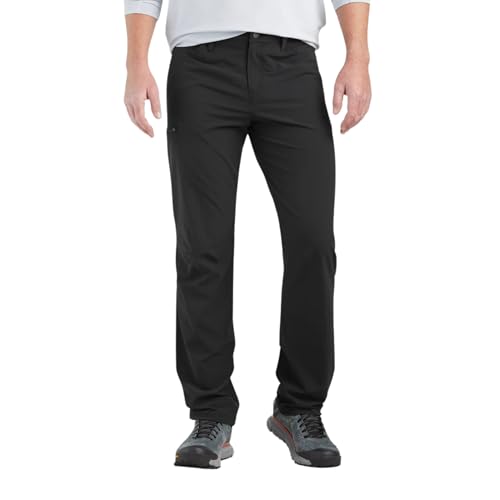
A higher-priced replacement to assess for fit and manageable ownership requirements.
Consider: Do not borrow care settings from another Ferrosi version.
Check on AmazonEditorial selections from the products considered for this guide; not hands-on test awards. Budget and premium describe positioning, not a guaranteed current price.
Find the instructions on the actual garment, not merely a similar online listing. Note the permitted washing method, temperature, drying method and any restrictions on ironing, bleach or professional cleaning. If the symbols are unfamiliar, use the manufacturer's explanation rather than guessing from their shape.
Look for multiple materials or special panels. A pant may have a different lining, reinforcement or waistband component from its main fabric. That combination can affect care. Instructions for a waterproof membrane, a waxed cotton blend or an ordinary unlined woven trouser should not be treated as one universal recipe.
If the label is unreadable, identify the exact model and ask the manufacturer for matching guidance. An old order title can help locate the style but may not identify its generation. Until the uncertainty is resolved, avoid an aggressive wash or heat treatment based solely on the dominant fiber.
Inspect the knees, seat, cuffs and waistband. A little dry dust on otherwise clean trousers may call for a different response from widespread mud, sweat residue or a spill. Wash when needed for the garment's condition and your use, not according to an invented rule that every hike requires a machine cycle.
Airing can help a pair that is simply damp from ordinary use, but it does not remove all dirt or residues. Spot cleaning may suit an isolated mark if the care instructions permit it. Avoid indefinitely postponing cleaning when the waistband and high-contact areas remain soiled.
Frequency also depends on how long you wear the pants and what happens during that time. A brief stroll and a full day carrying a pack are not equivalent exposures. The useful check is the current garment, including smell, visible soil and feel, rather than the number of outings alone.
Empty every pocket and inspect corners where crumbs, grit or tissues can hide. Check zippered security pockets separately; their contents are easier to overlook. Remove loose debris carefully before placing the garment in a washer, especially around cuffs and seam folds.
Follow the manufacturer's instructions for zippers, hook-and-loop closures and removable belts. If the belt is removed, keep it with the garment's other parts and check whether it has separate care guidance. Do not assume a detachable accessory can tolerate the same wash as the trousers.
For convertible pants, note which lower leg attaches to which side before separating pieces if you plan to do so. Follow the model's guidance on washing them attached or detached. Ensure both pieces receive compatible care so that a clean upper section is not paired with dirty or damp lower legs afterward.
Use the detergent type recommended for the exact garment. More concentrated fragrance or a stronger stain claim does not make a product better suited to technical clothing. Follow the detergent dosage and washing-machine guidance rather than adding extra in response to the word outdoors.
Some technical outerwear instructions explicitly exclude fabric softener and bleach. For example, GORE-TEX's outerwear guidance tells owners to check the garment manufacturer's tag and gives product-specific restrictions. That is a reason to read instructions carefully, not to apply a GORE-TEX recipe to every pair of hiking trousers.
A technical wash product can be appropriate when the manufacturer specifies compatibility. It is not automatically necessary for all pants. Separate cleaning from reproofing: a product intended to renew water repellency has a different job from detergent and should not be added casually to an ordinary wash.
If machine washing is allowed, use the label's settings and a suitable load. Avoid overfilling the machine so that garments can move and rinse as intended. Check whether other items have exposed hardware or materials that make them an unsuitable match for the trousers.
If hand washing is required, follow the product and garment instructions for water, agitation and rinsing. Gentle handling does not mean skipping rinsing or leaving detergent concentrated in a pocket. Do not twist the pants forcefully to extract water, particularly when the waistband or other components could be distorted.
Where label and web guidance appear to conflict, stop and seek model-specific clarification. A manufacturer's general clothing page may not account for a special panel or an older version. Keep a photograph of the care label so that you can provide useful details when asking for help.
Some pants allow low tumble drying; others specify air drying or prohibit particular heat treatments. Follow the actual instruction. Do not select high heat to meet a departure deadline, and do not treat the phrase quick dry as permission to use any dryer setting.
When air drying, arrange the garment so that air can reach the fabric rather than leaving it folded into a dense bundle. Check the waistband, pocket bags and cuffs separately. These areas can remain damp after the more exposed leg panels seem ready.
A drying location also needs to suit the garment instructions. Avoid improvised heat from heaters, fires or other concentrated sources. If the permitted method cannot make the pair ready in time, use another appropriate garment rather than trying to force a faster process with unapproved heat.
Some water-repellent finishes have instructions involving a particular drying or heat step. Those instructions apply only when the garment and treatment are compatible. They are not a universal finishing ritual for all hiking pants.
Fjällräven's G-1000 guidance describes a separate wax-care system, including caution around mixed-material panels. That process should not be copied onto stretch panels or unrelated synthetic trousers. A label saying water resistant does not identify which maintenance system is appropriate.
If clean fabric has stopped beading water as expected, investigate the finish using the water-repellency guide. Clean first when directed, assess the result and choose a compatible next step. Reproofing cannot create a waterproof barrier in an ordinary woven garment.
After drying, look at seams, pocket corners and the waistband. A loose stitch or small damaged area is easier to address before the next outing than while packing for departure. Check that closures operate normally and that detachable sections are present.
If the pants feel unexpectedly tighter, compare them under the same conditions you used before washing. Do not immediately force them into shape. The shrinkage and stretch guide helps separate apparent fit changes from damage or a genuinely changed dimension.
Store the trousers fully dry in a place where they will not remain compressed with wet gear. If you packed damp clothing temporarily during travel, unpack it promptly when a suitable drying opportunity becomes available. A clean garment still needs this final step to be ready for reuse.
The product examples on this page are comparisons for readers who already need another pair. They are not cleaning supplies or a reason to replace functional pants. A suitable wash, small repair or revised routine may be all that is needed.
Columbia Silver Ridge Utility, an ATG Synthetic Utility option and Outdoor Research Ferrosi demonstrate different shopping positions, but each owner's actual garment label governs its care. Do not infer a shared washing temperature from this grouping. When replacing a pair, add care requirements to your fitting and specification checklist so that the next purchase suits your available laundry facilities.
Persistent stains, damaged finishes and broken components need different decisions. Consult the soil-specific guide or repair guide rather than repeatedly escalating detergent or heat. Cleaning is most effective when the problem has been identified accurately.
Look for a remaining style reference on a second internal tag or in the original order information. Take photographs of the whole garment, closures and distinctive panels when asking the manufacturer for care guidance. A useful request names what you own and what you need to know, such as whether machine drying is permitted. Avoid accepting a generic instruction for an entire brand when the representative has not identified the version. If a prior alteration removed the label, keep the replacement guidance with your clothing notes so that the same uncertainty does not return at every wash.
Only if their care instructions and load compatibility align. Different fabrics, finishes and hardware may need different handling. Do not choose a shared cycle by brand or activity label alone.
No. Check the thicker waistband, pocket bags, seams and cuffs. They can remain damp after exposed panels appear dry, especially when airflow is limited.
Not unless the exact garment and treatment instructions call for it. Cleaning and restoring a finish are separate tasks. Unneeded treatment is not a substitute for identifying the current problem.
Build a repeatable routine around the label: inspect, prepare, wash compatibly, dry as permitted and check the whole garment before storage. The important distinction is between cleaning dirt, renewing a finish and repairing damage. Each has its own method, and none benefits from a universal high-heat shortcut. Preserve the instructions for the pair you own and choose future trousers partly by whether you can maintain them conveniently. A clean, fully dry existing pair is often the best outcome of this guide.