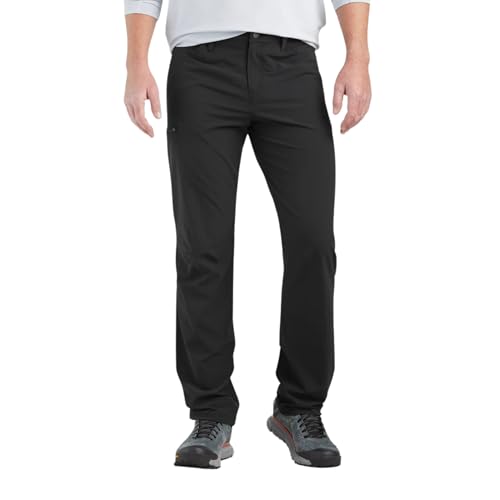
Outdoor Research Men's Ferrosi Pants
A walking-oriented alternative when a simpler loaded pocket arrangement suits the trip.
Consider: Check your pack belt and specific objects rather than relying on compatibility language.
Check on Amazoncomparisons
A pocket designed around a particular object can be excellent for that job and awkward for everything else. This is where tactical pants and hiking pants deserve a careful comparison. Both may offer stretch, cargo storage and durable-looking fabric, but their priorities can differ. For a walking trip, assess where the load sits, how the waist works with a pack and whether the garment lets you move without managing its contents at every step.
Three places to start
As an Amazon Associate I earn from qualifying purchases. Purchases take place on Amazon.
A walking-oriented alternative when a simpler loaded pocket arrangement suits the trip.
Consider: Check your pack belt and specific objects rather than relying on compatibility language.
Check on Amazon
A lower-cost utility-style comparison when you need practical storage rather than a specialized equipment layout.
Consider: Specifications must be matched to the exact current listing and variant.
Check on Amazon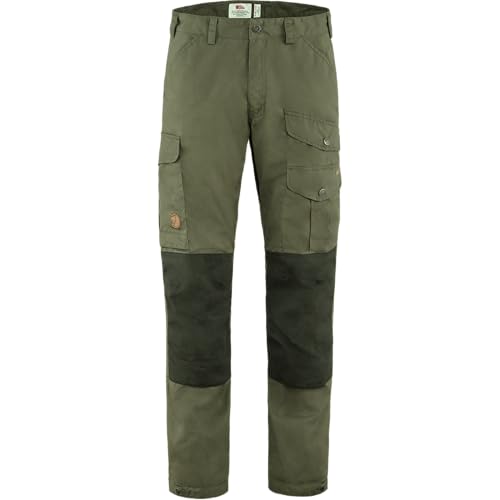
Compare reinforced knee and rear construction for a route with repeated ordinary fabric contact.
Consider: Reinforcement is not a protective certification or a reason to carry excess pocket load.
Check on AmazonEditorial selections from the products considered for this guide; not hands-on test awards. Budget and premium describe positioning, not a guaranteed current price.
Lay out the items you intend to carry in trouser pockets. A phone, a small map and a key create a different requirement from multiple tools or equipment chosen for another activity. If an item will stay in your backpack, it does not justify a dedicated trouser pocket. This simple inventory prevents buying a complicated layout whose main effect is extra seams and unused openings.
Next decide how frequently you need each object. Something checked every few minutes belongs in a different access category from something you hope not to touch during the walk. A specialized pocket may keep a particular object organized, but only if its dimensions and opening suit that object. Count the usable locations for your inventory rather than treating a large advertised pocket count as the goal.
Tactical is a broad marketing category, not a standardized promise about the garment. Do not infer a fiber blend, reinforcement scheme, load rating or protective function from the word. The same discipline applies to hiking. Read the specifications of the exact model and inspect the layout; otherwise you may be comparing imagined categories instead of the trousers you can actually buy.
The CQR Runyon W/Belt listing combines cargo, tactical and hiking language, and identifies a convertible design with zip-off lower legs. That is a useful real example of overlapping categories. It does not establish specialized equipment capacity, a fabric weight or protective performance. The selected listing also names a belt, so compare its actual fastening with the hipbelt you use rather than assuming every tactical-labelled pant requires the same belt arrangement.
Place that hybrid beside a fixed-leg Ferrosi or the reinforced Vidda Pro example. The first practical difference is whether you want detachable legs, not which category sounds tougher. If you do, check the zipper band while seated and decide how you will store the removed sections. If you do not, a fixed-leg model avoids a feature you would never operate.
Only then compare any specialized storage requirement. Name the actual object and the closure it needs; do not infer a purpose-built organizer from the word tactical. The useful winner is the garment that meets that requirement while still moving comfortably during the planned walk.
A trouser belt and a backpack hip belt have different positions and purposes. Wearing both can stack buckles, loops or thick fabric in the same area. Try the pants with the belt you plan to use and then add the loaded pack. Stand, sit, lean forward and reach toward a pocket to see what presses or catches.
Wide-looking belt loops do not guarantee compatibility with every belt, and an elastic section does not guarantee comfort under a hip belt. Measure or verify the opening where that matters. If the trousers require a thick belt to remain stable with the pocket load, consider whether that load belongs on the trousers for a walking trip. Tightening everything harder may hide the cause while making the waist less comfortable.
Ferrosi offers a hiking comparison with a drawcord waist and manufacturer-described harness-compatible construction. That information can guide what you inspect, but it does not certify the comfort of your backpack combination. Your pack belt may sit differently from someone else's, and the chosen pant size changes where closures fall. The pack and waistband guide focuses on those interactions.
Stand with an object in a thigh pocket, then raise the knee as if stepping uphill. Does the pocket stay clear of the hip crease and knee, or does it rotate and press into one of them? Sit on a bench and repeat. A pocket that works well while upright can interfere during repeated high steps or long seated travel to the trail.
Consider closure effort too. A flap, zipper and internal organizer each require a different movement to reach the contents. The right choice depends on whether you want quick access, closed retention or separation of small objects. Avoid assuming that a purpose-specific organizer automatically improves a general hiking day. It may simply leave a phone sitting at an inconvenient angle.
Carry only the expected load during the test. Filling every pocket to demonstrate capacity changes the garment beyond its normal role and can make almost any cut seem awkward. If the layout works well for the few objects you actually use, it may be suitable regardless of whether the brand calls it tactical or hiking. If it does not, the number of unused pockets will not rescue the comparison.
Reinforcement has a location. Extra material at the knee does not directly address rubbing at the waistband; a reinforced hem does not solve wear at a pocket opening. Identify where your activities create contact, then compare the garment's panel placement. This is more useful than taking a generally rugged appearance as evidence of durability in every area.
Fjallraven Vidda Pro is a premium hiking-oriented example with reinforced knees and rear areas in G-1000 construction. It also has shaped knees, several pockets and cuff hardware. Those details can make sense for someone who wants that particular build. They also add construction that may be unnecessary on broad paths with little contact and a light pack.
No reinforcement described here establishes protection against cuts, punctures, bites, impacts or workplace hazards. Knee-pad openings, where present, are a garment feature and do not create a safety certification for the trousers. Do not use either category as a substitute for equipment required by a specific task. For this comparison, reinforcement is a design feature to assess for ordinary wear and movement.
A dense or substantial-looking fabric may feel reassuring in a shop and become more coverage than you want on a long climb. A lighter fabric may be pleasant while active but differ at windy stops. Neither result can be assigned to all tactical pants or all hiking pants. Look for actual fabric information, lining details and vents on the individual garment.
Be especially careful with units. A fabric weight stated in ounces can describe the material rather than the total weight of the finished pants. Wrangler's current Cliffside Utility page lists a fabric-weight figure for a selected variant; that is not a pack-weight measurement of the whole garment. If weight is central to your choice, look for a finished-garment measurement with a reference size and avoid comparing unlike figures.
Vents can offer an adjustment, but only if you want to operate them and their placement suits the activity. The relevant question is whether a design provides a useful way to release heat during your walk. It is not whether more zippers look more technical. For a sustained warm-weather route, examine the hot-weather construction guide after deciding which storage functions you genuinely need.
Water resistance, a repellent finish and waterproof construction are different claims. A tactical listing that uses strong weather language should not be assumed to have a waterproof membrane or sealed seams. Likewise, a hiking pant described as wind and water resistant should not be promoted to a rain shell because its brand is familiar.
If you plan to wear a separate shell, check it over the actual pocket load and leg cut. A full cargo pocket changes the space required inside the outer garment, and a bulky belt can add another pressure point. A trim hiking pant may simplify that combination, but a suitable shell can also fit over other cuts. Test the pairing instead of relying on labels to establish compatibility.
This keeps the purchase decision honest. You might prefer a tactical model for its organization and still need an appropriate weather layer. You might choose a hiking model for movement and remain dissatisfied with its rain performance if you expected a shell. The garment category should describe its role accurately before the two products are compared.
For a relatively simple trail inventory, Ferrosi is the overall hiking alternative to examine: stretch, a comparatively straightforward arrangement and secure pocket options. The budget candidate, ATG by Wrangler Synthetic Utility, is relevant if you want utility styling without moving immediately to a premium trekking build. Match its exact listing and variant before relying on current manufacturer details, because naming has changed on the official site.
Vidda Pro is the premium comparison when reinforced areas and a more substantial trekking design are the features you want. It should not win merely because it looks robust. Put the same small inventory into every candidate, walk and sit, then compare which layout asks the least management from you. The outcome could still be the tactical garment you already own.
If the only issue is whether side pockets make a garment suitable for hiking, that is a different question covered in hiking pants versus cargo pants. This comparison is about specialized load arrangements and walking priorities. Keep those boundaries clear so a need for one useful pocket does not become an unnecessary search for an entire equipment-carrying system.
No. Pocket capacity, reinforcement and comfort under a particular load are separate questions. Test the actual objects while walking, raising a knee and sitting. If the loaded garment shifts or presses into a joint, extra pockets do not establish that the load is comfortable.
Appearance is insufficient evidence. Check the exact fabric, lining, movement, closures and pocket arrangement against the route. Some individual garments may work well for walking; others may prioritize tasks or storage you do not need.
The opening alone does not establish protective performance. A garment feature, an inserted pad and any relevant certification are separate matters. This guide evaluates ordinary clothing construction and does not treat either hiking or tactical pants as protective equipment.
Start with objects that do not need frequent access and move them to a suitable pack location. Then reassess the waistband and remaining pockets. This can reveal whether the issue is the garment layout, the amount carried or a fit problem rather than the category itself.
Choose the trousers that handle your real trail inventory with the least interference at the waist, hip and knee. Specialized storage is worthwhile when you have a specific object and access need for it; otherwise a simpler walking design may be easier to live with. Keep reinforcement, weather performance and protective claims separate from appearance. A tactical pair can remain a useful choice when its details suit the walk, while a hiking pair should justify the change through fit, ventilation or better-placed storage.