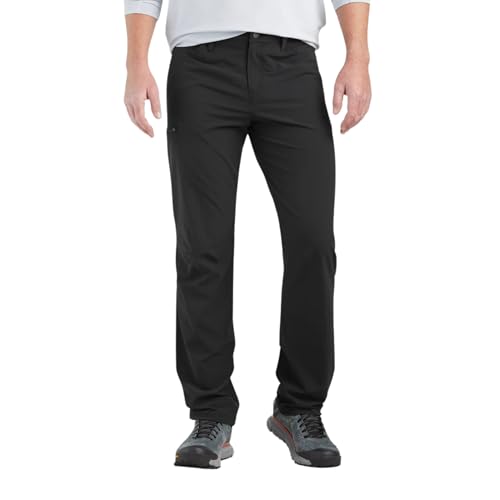
Outdoor Research Men's Ferrosi Pants
A reference for ordinary stretch hiking construction when shopping for walking roles.
Consider: Water resistance does not make it a ski shell; not recommended as a ski-pant replacement.
Check on Amazoncomparisons
The word winter on a hiking-pant listing can make it tempting to use the same pair for every snowy activity. But a cold walk, a chairlift ride and repeated contact with wet snow are not the same clothing problem. Before trying to replace ski or snowboard pants with a hiking model, separate the jobs the garment must do: manage moisture, fit over footwear, accommodate layers and provide the warmth appropriate to the day.
Three places to start
As an Amazon Associate I earn from qualifying purchases. Purchases take place on Amazon.
A reference for ordinary stretch hiking construction when shopping for walking roles.
Consider: Water resistance does not make it a ski shell; not recommended as a ski-pant replacement.
Check on Amazon
A lower-cost example of a simple hiking garment for appropriate walking conditions.
Consider: Unlined hiking construction is not a winter snow-sport system.
Check on Amazon
Shows how a mountain-oriented pant adds substantial fabric and boot-related details.
Consider: Those features do not establish waterproof shell performance or universal ski suitability.
Check on AmazonEditorial selections from the products considered for this guide; not hands-on test awards. Budget and premium describe positioning, not a guaranteed current price.
Snow pants is an imprecise shopping term. It may refer to an insulated resort garment, an uninsulated shell, a softshell or casual winter clothing. Ski and snowboard clothing also comes in different constructions. Do not compare an unspecified snow pant with an unspecified hiking pant and expect the names to reveal insulation, seam sealing or fit.
Describe the actual day instead. Will you be walking continuously, spending time stationary, sitting where snow is present or wearing substantial boots? Are you buying an outer shell or a garment to wear beneath one? These questions identify the role before a product is chosen. Clothing that suits one part of the day may need another layer for a different part.
For unfamiliar snow activities, use appropriate activity-specific guidance when deciding what equipment and clothing are required. This article explains garment differences; it does not determine whether a route or snow condition is suitable. Avoid treating a versatile-sounding pair of pants as a way to simplify away the requirements of the activity itself.
The separate winter hiking layering guide addresses clothing for walking in colder conditions. The question here is narrower: what would be lost or changed if ordinary hiking pants were used in place of a garment designed for skiing or other snow use?
A finish that encourages droplets to bead on the surface is not the same thing as a waterproof garment construction. Water resistance, DWR, a waterproof membrane and seam sealing describe different aspects of clothing. Read the exact manufacturer's wording instead of promoting any one of those phrases into a broader promise.
Columbia's Men's Bugaboo V provides a concrete snow-garment example. The manufacturer describes waterproof-breathable Omni-Tech fabric, critical seam sealing, insulation and an internal leg gaiter. This identifies several construction elements beyond a simple repellent finish. Critical seam sealing should not be rewritten as every seam being sealed, and the details belong to that exact Bugaboo V model.
By comparison, Outdoor Research describes Ferrosi as wind and water resistant. Cirque III also carries water- and wind-resistance language alongside its mountain-oriented features. Neither description should be rewritten as a waterproof ski shell. A technical brand, a substantial fabric or the presence of a boot hook cannot supply a weather claim that the product's evidence does not establish.
If sustained moisture exposure is the concern, investigate clothing with the appropriate verified construction for that role. The rainwear comparison explains the difference for hiking. Adding an after-market treatment to ordinary trousers does not let you assume the whole garment has acquired the construction of a purpose-built shell.
A shell can be uninsulated, while a pant with a warm-looking lining may lack the weather construction you need. Keep those questions separate. Look for an explicit insulation description or a clearly identified lining rather than judging warmth from the outside photograph. Also distinguish an insulated garment from one with a thin fabric backer or a brushed interior.
Bugaboo V's manufacturer page identifies insulation in addition to its shell and lining. That makes it a different construction from a typical unlined walking pant. It does not create a universal temperature rating, because the rest of the clothing system, activity and conditions still matter. Avoid turning a material quantity or a marketing warmth category into a guaranteed comfort threshold.
Consider both movement and waiting. An outfit comfortable during a steady uphill walk may feel different while stopped, and clothing selected primarily for stationary warmth may feel more substantial during sustained effort. This is why winter clothing choices often involve a system rather than one supposedly all-purpose pant. The ability to adjust that system matters alongside its starting warmth.
A base layer under hiking pants changes the system, but it does not add shell construction, seam sealing or snow-excluding features to the outer garment. Conversely, putting a shell over trousers changes weather coverage without proving the combined fit is comfortable. Test and evaluate each role rather than assuming one added layer solves every difference between hiking and snow clothing.
The lower leg has to accommodate the footwear intended for the activity. A hiking-pant opening that sits neatly over a walking shoe may not have the room or closure arrangement required around a different boot. Do not judge this from a standing photo with unrelated footwear. Check the manufacturer's intended use and the actual combination.
An internal snow gaiter is a separate construction element from an ordinary trouser cuff. The former is designed as part of a snow garment's interface around the lower leg and boot; the latter may simply finish the pant leg. A drawcord at the hem does not automatically duplicate an internal gaiter. Nor does a longer inseam solve a mismatch in the opening's circumference or structure.
Cirque III illustrates how a hiking or mountain-oriented model can include more specialized lower-leg details, such as ankle zips, a boot hook and reinforced areas. Those features deserve precise description. Their presence does not establish equivalence with every ski or snowboard pant, and a protective claim should not be inferred from a scuff panel.
If you are considering separate gaiters for walking, use the hiking pants and gaiters guide. That accessory decision has its own fit and use questions. It should not become a shortcut for declaring ordinary trousers suitable for an unrelated snow activity without assessing the rest of the system.
Trying a shell over hiking pants while standing can hide a poor combination. Sit, bend the knees and lean forward in ordinary controlled movements. Check whether the inner waistband, pocket load or outer closure creates pressure. A garment combination that only fits when everything is empty and perfectly arranged may be frustrating during a real day.
Leave enough room for the intended underlayers without simply choosing a dramatically oversized outer garment. The rise, seat and leg shape all matter. If the pants bunch behind the knees or pull at the waist, identify which layer is responsible. The solution may be a different cut rather than removing a layer that the conditions require.
Consider access as part of fit. Can you reach the pockets you need without opening more clothing than intended? Do multiple drawcords or buckles land in one place? Can you manage the closures with the gloves you expect to use? These practical details differ across garments and can matter more than whether both carry an outdoor label.
The ordinary hiking models linked near the beginning of this article are reference points for walking construction. They are not a recommended substitute package for ski clothing. If your planned activity needs a snow-specific outer garment, choose and fit that garment for its own job first, then assess what appropriately belongs underneath it.
There are three different questions that can hide inside the same shopping search. You may want trousers for a cold walking day, an outer garment for skiing or a layer to wear under an appropriate shell. Those are separate roles, and a product could be useful for one while being unsuitable for another. Write down which role you are filling before comparing prices.
Ferrosi is the overall hiking reference for a stretch-oriented walking garment, with its weather limits left intact. Silver Ridge Utility is the budget reference for a simpler unlined hiking construction; it is not offered as a winter ski solution. Cirque III is the premium example of a more substantial mountain-oriented design with lower-leg features. It still should not be described as a waterproof shell based on its water-resistance wording.
This framing can prevent an unnecessary purchase as well as an unsuitable substitution. If you already have appropriate snow clothing, you may only need a separate walking garment for a different part of the trip. If you need ski clothing, buying ordinary hiking pants because they look versatile may leave the original need unanswered. The useful decision is to fill the missing role accurately.
Before departure, inspect the garments you will actually use, including closures, seams and fit with footwear. A familiar item in good condition is different from an untested combination assembled from appealing product titles. Resolve uncertainty about the activity's clothing requirements before relying on the outfit; no article can verify that combination from its category names alone.
Not automatically. A lining addresses a different aspect of the garment from waterproof construction, seam sealing, boot fit and snow gaiters. Check those features separately and assess the exact activity. The word fleece does not establish that the whole garment is designed for skiing.
Do not assume so. A surface treatment does not establish a waterproof membrane, sealed seams, insulation or an appropriate boot interface. Follow the care instructions for the existing garment, and choose a purpose-suited outer layer when the activity requires one.
No universal insulation assumption is appropriate. Snow-oriented garments can have different constructions, including shell designs. Read the exact lining and insulation specifications and plan the complete clothing system. Do not infer warmth from the ski label or a photograph.
They illustrate the walking side of the comparison and the differences between ordinary hiking, more substantial mountain designs and snow-specific clothing. They are not presented as interchangeable ski garments. Choose a product only when its actual role matches the activity you are planning.
Do not make an ordinary hiking pant perform a job its construction has not established. Snow use can involve a different combination of weather coverage, insulation, boot fit and stationary time from a walking day. Decide whether you need a walking garment, an underlayer or a snow-specific outer garment, then verify that role in the exact product. More substantial hiking models can add useful features without becoming universal ski replacements. Keeping the roles separate is the clearest way to spend on clothing that answers the actual need.