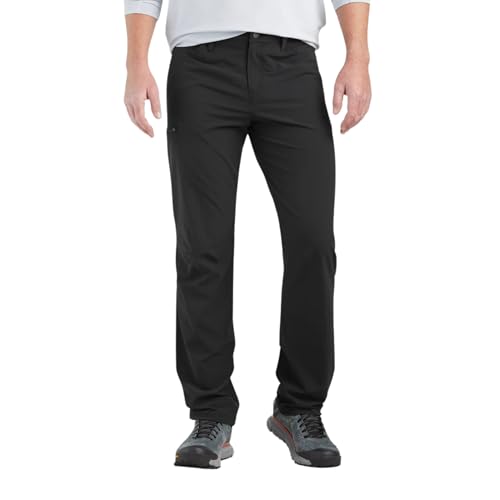
Outdoor Research Men's Ferrosi Pants
A stretch hiking reference for comparing movement and storage with running-focused clothing.
Consider: No claim of increased hiking speed or universally stable pocket loads.
Check on Amazoncomparisons
On a fast trail day, an object that barely moves at an easy stroll can become the most noticeable part of your clothing. Purpose-built running pants often address that kind of moving-body problem, while hiking pants may offer a different balance of storage and coverage. The decision is not whether one makes you faster. It is whether the exact garment remains comfortable through your pace, pack load and changes between moving and stopping.
Three places to start
As an Amazon Associate I earn from qualifying purchases. Purchases take place on Amazon.
A stretch hiking reference for comparing movement and storage with running-focused clothing.
Consider: No claim of increased hiking speed or universally stable pocket loads.
Check on Amazon
A conventional trail option when you want leg coverage and familiar storage at a lower price position.
Consider: Mechanical stretch and regular cut may feel different from a close running garment.
Check on Amazon
Compare for manual vents and mixed-fabric trekking construction during active walking.
Consider: More features are worthwhile only if you use the adjustment they provide.
Check on AmazonEditorial selections from the products considered for this guide; not hands-on test awards. Budget and premium describe positioning, not a guaranteed current price.
Everyday joggers and sweatpants are covered in a separate casual jogger comparison. Here the alternative is a garment designed around running or similar sustained active movement. Even within that narrower group, construction varies: some products focus on cold-weather wind resistance, others on a lighter minimal layer or a close-fitting shape.
Do not assume that a running pant is always a thin warm-weather garment. Patagonia's Men's Wind Shield Pants, for example, are described for high-output cold-weather use, with softshell construction, separate breathable panel areas and a slim fit. That is a specific design direction, not a description of every running pant. It can be relevant to an active cold-weather walk while being a different proposition from a minimal summer layer.
Hiking models vary just as much. Ferrosi uses a stretch-oriented nylon blend, while Silver Ridge Utility uses recycled polyester with mechanical comfort stretch. Neither fiber description settles which one you will prefer during a brisk climb. Establish the actual construction first, then compare the pace and conditions in which you intend to wear it.
A steady climb, a flat traverse and a stop at a viewpoint can create different clothing preferences within one outing. A garment selected only for sustained effort may feel different during the stop. One chosen around the coldest stationary moment may feel more substantial than you want on the climb. This is a system question involving the rest of your clothing, not simply a contest between two pant names.
Think about how often you realistically adjust layers. A running-oriented model with breathable panel placement offers a different approach from a hiking pant with manually opened vents. Neither approach is automatically better. Panel construction works as part of the garment, while a vent requires a deliberate adjustment and has a placement you need to like.
Fjallraven Abisko Lite Trekking is an example of a vented hiking design with mixed fabric areas. Its extra construction might be useful if you want that adjustment on an active walking trip. It is not necessarily the obvious choice when your main preference is minimal fabric and a very light load. Match the feature to a habit: if you never use vents, their presence alone adds little value to you.
The drying, wicking and breathability guide explains why those terms describe different things. Keep them separate when comparing running and hiking descriptions. A claim about moving moisture through fabric does not establish a particular drying time, and neither proves comfort across all levels of exertion.
For a fast-moving walk, decide whether the phone, keys and snacks need to be on the trousers at all. A running vest, suitable waist storage or a backpack may already provide the access you need. If so, a garment with fewer pockets can be an advantage simply because you are not paying attention to unused storage structures. That is a personal packing choice, not a rule that running pants should carry nothing.
Put the actual phone in the intended pocket and compare an easy walk with a brisk one. Notice whether it swings, changes the waistband position or sits across the hip crease. A zipped closure can help retain an object without making it motionless. A close pocket can reduce free space while still pressing an object into an uncomfortable location.
The Wind Shield example has two zipped side pockets that Patagonia markets around stability during movement. Treat that as a manufacturer's design claim and perform your own ordinary fit check; do not turn it into a guarantee that every phone will remain still. The object size, chosen garment size and the way the pocket sits on your body remain relevant.
On the hiking side, assess the same object in the same way. Ferrosi offers secure pocket options, but that does not mean every pocket should be used simultaneously. Move rarely used items to the pack and compare only the load you expect to carry. This makes the test fairer and helps reveal whether the problem is the garment or the decision to carry too much on it.
A pant that feels comfortable beneath a small running vest may behave differently when a backpack hip belt crosses the waist. The belt can cover a pocket opening, press on a knot or create contact with a button. Compare the garment under the equipment you will actually take rather than relying on an earlier comfortable outing with a different setup.
Pay attention to where the waist naturally sits. Trying to force a garment much higher or lower to avoid one pressure point can change the fit at the seat and knee. If that is necessary, another rise or closure arrangement may be a better match. A drawcord can provide adjustment, but it cannot redesign the garment's proportions.
The pack waistband guide examines these interactions more fully. For this comparison, the important distinction is between clothing evaluated for a light active setup and clothing evaluated with a meaningful pack load. Neither the running nor hiking category gets an automatic pass; each needs to work with the planned outfit.
Consider access while walking as well. If the hip belt blocks the pocket you chose for frequent phone checks, a lower location or pack pocket might solve it. Buying pants with more openings is not the only answer. A small change in where one object lives can preserve the garment you already prefer for movement.
A running-style stride and a high hiking step are not identical fit checks. Walk briskly, then raise a knee as if stepping onto a higher surface. Sit and lean forward to reach a shoe. A garment may accommodate repeated forward motion comfortably and feel different in deeper flexion, or have plenty of room for a high step while feeling looser than you prefer during continuous movement.
Inspect the pattern rather than assigning the result to fiber alone. A gusset, shaped knee, seam position and rise can change how fabric moves. Stretch helps a particular design accommodate motion, but a high elastane number does not rank the whole garment. The correct question is whether the intended movements remain comfortable in the size you would actually wear.
The lower leg is part of that check. A narrow opening or cuff can reduce loose fabric around the ankle, while a roomier cut may be easier over certain footwear or layers. Detailed cuff mechanics belong in the hiking cuff guide. Here, notice whether the leg shape stays unobtrusive during your pace and allows the clothing combinations you need.
Some running pants prioritize wind resistance for active cold-weather use. That does not make the entire running category windproof, nor does it establish waterproofness. Patagonia describes Wind Shield's repellent finish in relation to light precipitation. That is deliberately narrower than a promise to function as a rain shell.
Ferrosi's wind- and water-resistance claims should be read with the same discipline. If your plan calls for a separate weather layer, inspect the fit over the actual pants and any contents in their pockets. A trim running garment and a fuller hiking cut may require different room inside the shell, especially at the seat and knees.
Do not choose a garment solely because it sounds likely to let you maintain a faster pace in poor weather. Clothing does not guarantee speed, comfort or suitability of a route. Make the weather decision for the conditions and the activity, then choose the inner walking or running-oriented garment whose fit works with that system.
If you like minimal storage and already carry essentials in a vest or pack, a purpose-built running pant may be a sensible option for a compatible trail day. Check its intended temperature and weather role first. If you prefer more space around the legs, different pocket access or vented trekking construction, hiking pants offer alternatives worth comparing.
Ferrosi is the overall hiking candidate here because its stretch-oriented design offers a useful reference against running-focused clothing. Silver Ridge Utility is the budget-positioned comparison for a more conventional trail arrangement. Abisko Lite Trekking is the premium example when venting and mixed fabric areas matter to you. These are not claims that the garments improve hiking speed or that the most expensive option is the most efficient.
Your shortlist should end with one practical sentence for each candidate: this waist suits my pack, this pocket holds what I need, or this construction matches the conditions I use most often. When the sentence becomes merely this is what fast hikers wear, return to the actual fit and function. A garment can support the day you want without defining the pace or identity of the person wearing it.
No speed improvement is established by the garment category. A pair that fits comfortably may reduce clothing distractions, but pace depends on many factors beyond trousers. Choose for fit, conditions and storage rather than treating a technical label as a performance guarantee.
No. Some are explicitly designed for active cold-weather use and include wind-resistant or lined construction. Compare the exact fabric arrangement, intended role and layers. A minimal running pant and a cold-weather softshell running pant should not be treated as the same choice.
That may make a simpler trouser pocket arrangement perfectly adequate. Check that the garment still fits comfortably and that any small items left in its pockets remain secure. There is no requirement to buy more leg storage when your existing carrying system already works.
No. A closure and movement stability are separate properties. Try the real phone while walking at the intended pace and check waistband movement and pressure on the leg. Manufacturer stability language is a reason to inspect the design, not a universal guarantee for every load.
Choose the garment that stays unobtrusive through your actual pace changes and works with the load you carry. Running-focused pants can suit an active trail day, but their intended weather role and fit still need checking. Hiking pants can offer a different balance of space, storage and adjustment without making you a slower or faster walker. Keep the choice practical: a stable waist, comfortable movement, accessible essentials and a clothing system matched to conditions matter more than the activity printed in the product title.