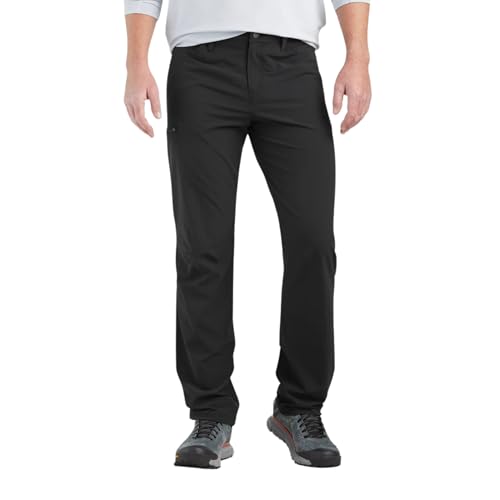
Outdoor Research Men's Ferrosi Pants
A documented UPF model to compare with a stretch-oriented fit.
Consider: Match exact option and inspect coverage in movement.
Check on Amazonweather
Two pairs of hiking pants can cover the same amount of leg and carry very different information about ultraviolet protection. One gives a specific UPF rating for the garment. The other says sun protection in a broad product title. That difference is worth noticing before you compare pockets or colors, because a useful purchase decision depends on the evidence for the exact pair—not the appearance of the fabric or the reputation of the brand.
Three places to start
As an Amazon Associate I earn from qualifying purchases. Purchases take place on Amazon.
A documented UPF model to compare with a stretch-oriented fit.
Consider: Match exact option and inspect coverage in movement.
Check on Amazon
A lower-priced conventional pair with manufacturer UPF50 documentation.
Consider: Utility specification is not evidence for every Silver Ridge generation.
Check on Amazon
Additional coverage configurations for trips where zip-off legs are useful.
Consider: Verify exact convertible UPF claim; shorts expose the lower legs.
Check on AmazonEditorial selections from the products considered for this guide; not hands-on test awards. Budget and premium describe positioning, not a guaranteed current price.
UPF stands for ultraviolet protection factor. It describes how much ultraviolet radiation passes through a fabric under the relevant test conditions. For example, a UPF 50 rating corresponds to roughly one fiftieth passing through. It does not mean you can ignore exposed skin, stay outside fifty times longer or assume the whole outfit has the same protection.
REI's guide to sun-protection clothing explains the rating and factors that can affect performance. For a shopper, the important distinction is between a measured fabric claim and the practical coverage of the finished outfit. The label can describe the material without answering whether your ankles or lower back become exposed while you move.
Do not turn a numerical rating into a medical promise. We are comparing garment information, not estimating an individual's skin response or claiming that one pair prevents a particular disease. Clothing is one component of sun precautions, and its usefulness depends on being worn as intended and remaining in suitable condition.
The numerical example is not permission to calculate an outdoor time limit. A hiking route changes exposure through shade, orientation, altitude and duration. Use UPF as one clear piece of product information while keeping the larger outing and clothing arrangement in view.
Start with the complete model name, including terms such as Utility, Active, Pro, II or Convertible. Those words can distinguish garments with different materials and specifications. A product family that includes a UPF-rated model does not establish that every related pair has the same rating.
Then check the selected size and color page or garment label. Marketplace listings can group options in ways that make it easy to read one description while looking at another variation. If the wording is unclear, avoid filling in the missing information from a similar photograph. A seller or manufacturer may be able to clarify which specification applies to the exact item.
Keep a short record of what you have actually confirmed: model name, style code if available, the stated UPF, and any limitations written with it. This is especially useful when comparing old and current listings. A new manufacturer's product page can describe a revision that is not identical to an older discounted pair.
If no rating is stated, describe it as unspecified. That does not prove the fabric offers no coverage or no UV attenuation; it means you do not have the numerical evidence needed to assign a rating. The honest comparison is between known and unknown specifications, rather than inventing a value to make the table look complete.
Columbia's Men's Silver Ridge Utility Pants, style 2012951, have a manufacturer UPF 50 claim. The same source lists recycled polyester, a partial elastic waist and a gusset. These details make a useful starting point for someone seeking a conventional hiking cut with a documented rating. They do not describe every older Silver Ridge Cargo or Convertible model automatically.
Outdoor Research's Men's Ferrosi Pants are listed by the manufacturer with UPF 50+ and a nylon/spandex construction. The exact listing and inseam version still need to match, particularly where product identifiers differ between a URL and the rendered specification. A recognizable family name should not replace that check.
For a convertible comparison, Outdoor Research's Ferrosi Convert listings provide a distinct garment to investigate rather than an excuse to transfer every plain-Ferrosi specification. Verify the rating for the exact convertible option. Even if both use rated fabric, the shorts configuration covers less leg than the full-length configuration.
The North Face illustrates why restraint matters. Its Paramount Active page includes a UPF claim, while the exact plain Paramount page in our research did not expose the same claim. That is a reason to keep the entries separate, not to announce that one has no sun protection or copy the Active number into the plain model's description.
Stand in the pants, then step onto a stair and bend to adjust your footwear. Watch the gap between the hem and sock. A length that looks adequate while standing may expose a larger area when the knee bends. This is one reason inseam choice belongs in the sun-coverage decision as well as the fit decision.
Sit and lean forward with the shirt you plan to wear. The waistband should maintain the overlap you want. A low rise can work well for some bodies and outfits, but it needs to be evaluated in combination with the upper garment rather than in isolation. The rated fabric cannot cover an area where the garments separate.
Consider openings deliberately. Zip-off legs, roll-up cuffs and vents can make pants more useful in heat, but they change coverage. That does not make those designs bad choices. It means the shorts and full-length configurations should be treated as different coverage arrangements rather than assuming the original rating applies to the newly exposed skin.
Carry this check through the whole outfit. Socks, footwear and the way you adjust the legs affect what remains covered. You do not need to guess at precise exposed-area percentages to notice an obvious gap. A mirror and a few ordinary movements can reveal more than a photograph of a model standing upright.
A dark-looking fabric and a pale-looking fabric can differ in construction, treatment and tested performance. General observations about color are not a substitute for the exact garment's rating. If you prefer a lighter color for an exposed warm route, look for that color within a model whose applicable UPF claim is clear rather than trying to assign your own numerical value.
The same caution applies to fiber. Nylon and polyester appear in many sun-rated hiking pants, but the fiber name alone cannot tell you the finished garment's UPF. Weave, stretch, thickness and other design choices matter. A cotton blend is not automatically assigned one rating, and a synthetic blend is not automatically assigned another.
Nor does fabric weight establish the best choice. A heavier textile can create a different comfort tradeoff in heat, while a lighter rated garment may offer the information and fit you need. Compare the actual specifications instead of paying for extra mass merely because it feels substantial in your hand.
Our hot-weather guide treats airflow and coverage together. A garment that is uncomfortable enough that you repeatedly roll it up or remove it may not provide the practical coverage you intended, even if its original specification looked excellent.
Inspect older pants before relying on them for a long exposed outing. Thin patches, holes and damaged sections deserve attention. A care label or original hangtag cannot reverse physical wear. The useful question is whether the garment still has the condition and coverage you expect, not merely whether it once carried a favorable number.
Avoid stretching a garment into a fit it was not designed to provide. Fabric pulled tightly over the thighs or seat is a fit problem first, and stretching can also affect how a textile behaves. Do not buy an uncomfortable size because it is the only discounted option with a rating you like.
Wash according to the exact care instructions. There is no responsible universal promise that all UPF ratings last for a fixed number of washes or that a household laundry additive restores the original tested result. Some claims depend on the fabric structure, others may involve treatments, and the manufacturer's description should guide how you interpret them.
If your existing pair is sound and its information remains clear, a new purchase is not automatically necessary. If the label is unreadable or the version is uncertain, seek clarification before presenting its old rating as a verified current fact. This approach preserves useful clothing without inventing reassurance.
For each candidate, record four things: the applicable UPF claim, the coverage at your chosen inseam, the movement fit and any care or condition concern. Eliminate options that fail a requirement you consider essential. Then compare the features that will affect the hike, such as phone storage, waistband compatibility and whether leg adjustment is worthwhile.
Do not let Best Premium become a synonym for more sun protection. A less expensive pant with a clear applicable rating and good coverage may satisfy the same requirement. The extra cost of another option may buy conversion hardware, a different cut or more elaborate pockets rather than a meaningful increase in the rating.
The final decision should be explainable in a sentence: this exact pair has the documented claim I want, remains covered when I move, and is comfortable enough for the intended outing. That is a stronger basis than choosing the darkest pants or the brand with the boldest sun-related wording.
Only when the manufacturer or exact product information supports that scope. If a marketplace page mixes variants or generations, check the selected option. An unclear claim should remain unclear until you can verify which garment it describes.
The rated fabric remains on the areas still covered, but the removed sections no longer cover your lower legs. Plan the shorts configuration as a different outfit rather than extending a fabric rating to exposed skin.
No. Price can reflect fit, pockets, materials or conversion features. Compare the actual rating and coverage first, then decide whether those additional features are useful for your hike.
Choose a sun-rated hiking pant by tracing its claim to the exact garment and checking its coverage in motion. Silver Ridge Utility and verified Ferrosi versions provide useful comparison points, but the same discipline applies to any brand. Leave unknown ratings unknown, and do not treat price, color or fiber as a numerical shortcut. A comfortable pair with clear documentation and appropriate coverage is a more defensible purchase than a technically impressive model whose version or fit you cannot establish. Recheck condition over time rather than assuming an old hangtag answers every future question.