
Columbia Men's Silver Ridge Utility Pants
Full-length documented woven design for an ordinary coverage comparison.
Consider: Not selected or tested as insect-proof clothing.
Check on Amazonuses
Long trousers can put fabric between your legs and surrounding vegetation, but the amount of fabric in a photograph says little about its protective limits. A close ankle opening is not a seal, a reinforced knee is not biteproof armor, and a water-repellent finish is not an insect treatment. When brush or insects influence your choice, separate ordinary coverage decisions from the prevention guidance and specialist equipment a particular situation may require.
Three places to start
As an Amazon Associate I earn from qualifying purchases. Purchases take place on Amazon.
Full-length documented woven design for an ordinary coverage comparison.
Consider: Not selected or tested as insect-proof clothing.
Check on Amazon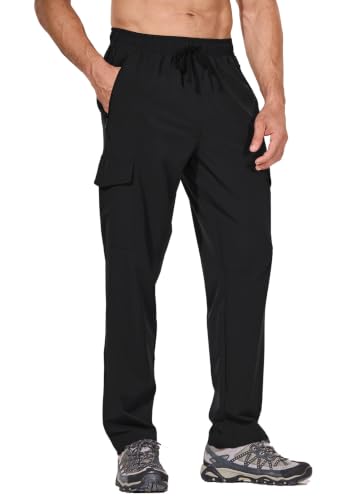
Lower-priced full-length listing for checking cuff and leg coverage.
Consider: Water-resistant wording does not establish insect treatment or bite protection.
Check on Amazon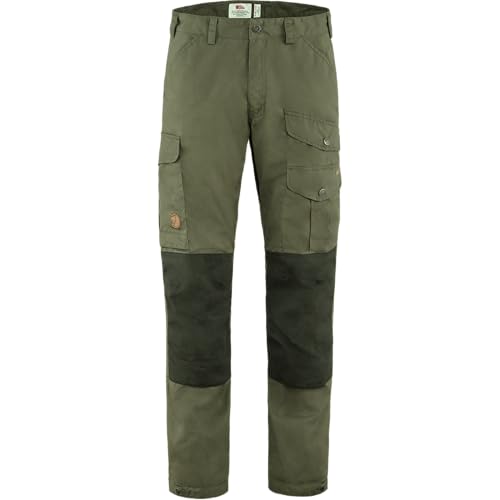
Current reinforcement and cuff details provide a more structured coverage option.
Consider: No thorn-proof, snakeproof or PPE claim; match exact revision.
Check on AmazonEditorial selections from the products considered for this guide; not hands-on test awards. Budget and premium describe positioning, not a guaranteed current price.
The first question is simple coverage: how much skin does the garment cover while you walk, sit and step? The second is wear management: how does the fabric meet repeated contact with vegetation or rough surfaces? The third is protection from a particular insect or hazard. A trouser can perform the first two jobs usefully without having evidence for the third.
This distinction prevents several common buying mistakes. A sturdy-looking woven pant may still have open cuffs and ordinary seams. A lightweight pant may offer full-length coverage without documented resistance to bites. A brand known for outdoor clothing may sell treated and untreated products, as well as multiple versions of the same family. The category name does not establish a treatment or a protective standard.
Write down which question is driving the purchase. If you mainly dislike stems brushing bare calves, full length and suitable fit may address that preference. If your concern is disease prevention, a clothing shopping comparison is only one part of the information you need. Follow the relevant authoritative guidance rather than asking a general hiking-pant label to answer a medical or safety question.
A trouser hem that reaches the shoe at rest can rise when the knee bends. Put on the actual footwear and socks you expect to use, then step onto a low stable surface. Notice the gap that appears and whether the cuff returns comfortably afterward. Decide whether the resulting coverage matches what you intended.
Capri lengths, rolled legs and convertible shorts intentionally expose more lower leg. Those formats can be useful in other circumstances, but the coverage change should be deliberate. If you plan to restore full length before a brushy section, consider whether the adjustment is practical at an ordinary stopping place. Carrying detached legs is only helpful if you can locate and reconnect them when needed.
A tighter cuff does not necessarily provide more useful coverage. If it perches above the boot or pulls the whole leg upward, the visible gap may remain. A straight hem can overlap footwear differently, while an adjustable opening may offer another arrangement. Assess the actual interface without describing it as a sealed barrier. Our cuff guide compares these mechanisms in detail.
The CDC's mosquito-prevention guidance includes loose-fitting long sleeves and pants, alongside other measures. Its travel guidance also notes that mosquitoes may bite through thin clothing. Those points are why we do not label an ordinary full-length hiking pant mosquito-proof simply because it covers the legs. See the CDC mosquito guidance and travel-specific advice for the complete recommendations.
For ticks, the CDC advises checking clothing and gear after outdoor exposure as part of a broader prevention routine. A trouser purchase does not replace that routine. Consult the CDC tick-prevention page and relevant local guidance, especially when your destination or exposure differs from home.
We do not provide pesticide mixing or application instructions here. If a garment is factory treated or you are considering a treatment product, verify its exact labeling and follow the appropriate official instructions. An ordinary DWR water-repellent finish, a sun-protection rating or an odor-related treatment is not evidence of insect treatment. Keep those claims separate when reading a product listing.
A comfortable cut gives the leg space to bend and move without constant tension. That is a sensible clothing goal independent of any prevention claim. Test the waist, seat and thighs with the layers you intend to wear. Avoid assuming that the slimmest available pant is the most appropriate merely because it has less fabric near vegetation.
At the other extreme, excess material can swing around the shoe or gather into folds that are awkward to inspect. A very loose cargo pocket may brush against surrounding plants more often than a flatter layout. Neither observation creates a universal fabric-width rule; it simply helps you choose a manageable garment for your own stride and route.
Keep exposed adjustment tails and unnecessary attachments arranged as designed. Check that a drawcord, tab or loose belt end does not hang where it repeatedly catches during ordinary movement. If a feature is unnecessary for your use and complicates the garment, a simpler design may be preferable. The aim is controlled, comfortable clothing rather than an improvised protective enclosure.
If your usual paths involve repeated brushing against stems or rough surfaces, examine the areas that receive that contact. Calves, knees and seat can have different needs. A reinforced knee will not necessarily address wear at the lower leg, and a thick-looking fabric does not establish thorn resistance. Use a specific wear map instead of a broad ruggedness label.
The current Vidda Pro Trousers M lists reinforced rear and knees plus cuff adjustments in Fjallraven's manufacturer description. The current Keb uses mixed material panels and ventilation. Those details can inform a construction comparison, but neither should be presented here as biteproof, puncture-proof or appropriate PPE. Current specifications also need to be matched to the exact selected version.
A lighter pant may be more comfortable for some outings yet show wear differently under repeated contact. The tradeoff cannot be resolved from fiber alone. Consider the route, fit and how often the fabric meets the same surfaces. If your task involves a specific hazard requiring protective clothing, ordinary hiking trousers are not a substitute for equipment selected for that task.
Words such as outdoor, tactical, protective, durable and all-season can appear in product titles without explaining a specific test or standard. Identify the precise claim you care about and look for its supporting documentation. A vague description of protection is not enough to establish what is covered, under which conditions or for which version.
For an insect-treatment claim, the exact treatment identification and label matter. For a fabric or reinforcement claim, check the model and material details. For a cuff mechanism, examine the selected garment rather than a related family photograph. If the evidence is absent or contradictory, keep the attribute unknown instead of filling the gap with a plausible assumption.
The shopping examples here are ordinary pants to compare for coverage and handling. Columbia's current Silver Ridge Utility offers a documented full-length woven design, BALEAF listings provide lower-priced alternatives, and current Vidda Pro construction offers a more reinforced option. None receives a Best label for preventing bites. The labels organize the shopping comparison by price position and relevant garment features only.
Pay particular attention when an online page combines several unrelated performance badges in one graphic. Separate the evidence for fabric composition, water repellency, sun rating and any treatment instead of reading the whole group as a general promise of protection. If the exact selected item lacks documentation for one badge, leave that attribute unresolved even when the other claims appear well supported.
After the outing, inspect the trouser exterior, cuffs, folds and pockets as appropriate to the situation, alongside the broader routine advised by public-health guidance. Ordinary garment care and insect-prevention instructions are not always the same task. Do not improvise a high-heat treatment on a fabric whose label does not permit it simply because an unrelated clothing article suggests one.
If official prevention guidance and the garment's care requirements appear difficult to reconcile, consult the relevant guidance and manufacturer rather than inventing a compromise method. This is especially important with elastic components, finishes or specialized materials. We deliberately do not turn this shopping guide into a universal washing recipe for insect exposure.
For routine visible debris, follow the clothing label and manufacturer care advice. Inspect hardware before operating it if plant material has collected near a zipper or hook-and-loop closure. Address obvious damage before relying on the same compartment or adjustment again. A practical, inspectable garment supports the overall routine; it does not eliminate the need for one.
It should not be treated as a tick-proof seal. The opening can move, and garment construction varies. Use current CDC and local prevention guidance rather than assigning a protective guarantee to an ordinary ankle adjustment.
No such relationship should be assumed. Water repellency concerns a surface response to water. Any insect-treatment claim needs its own exact product labeling and evidence; a DWR or UPF description does not establish it.
Ordinary hiking trousers, including reinforced designs, must not be represented as snakebite protection. Their panels are clothing construction features. If a situation calls for specialist protective equipment, seek appropriate guidance and purpose-specific evidence.
If full lower-leg coverage is your goal, attached legs provide more covered area than shorts mode. Check that the fit and cuffs remain manageable. That coverage decision does not make the garment a barrier against every insect or sharp object.
Use hiking pants for the coverage and construction they can actually document. Keep the cuff manageable, choose sufficient movement room and examine the areas that repeatedly contact vegetation. Then handle insect precautions through current authoritative guidance and exact treatment labels where relevant. The most important buying distinction is between a useful piece of ordinary clothing and a promised protective barrier. Do not pay for vague protective wording, and do not let a reinforced panel or tightened ankle substitute for the broader precautions your destination requires.