
Columbia Men's Silver Ridge Utility Pants
A useful example for checking the Utility name against a documented manufacturer style.
Consider: Do not substitute the Convertible or an older Cargo version.
Check on Amazonfoundations
The photograph looks right, the familiar size is selected, and the title includes the model you wanted. That can still be an incomplete check. Online clothing listings may combine colors, lengths and versions in ways that are easy to overlook. Before ordering hiking pants, verify the identity of the garment first and its fit second. This approach prevents a good recommendation from becoming a purchase of a different pair.
Three places to start
As an Amazon Associate I earn from qualifying purchases. Purchases take place on Amazon.
A useful example for checking the Utility name against a documented manufacturer style.
Consider: Do not substitute the Convertible or an older Cargo version.
Check on Amazon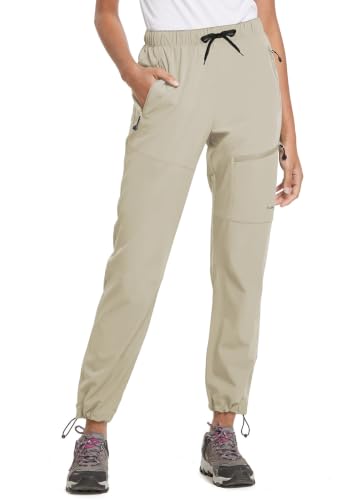
An inexpensive example with a length in the title that can be checked before ordering.
Consider: A 29-inch listing is not automatically a petite pattern.
Check on Amazon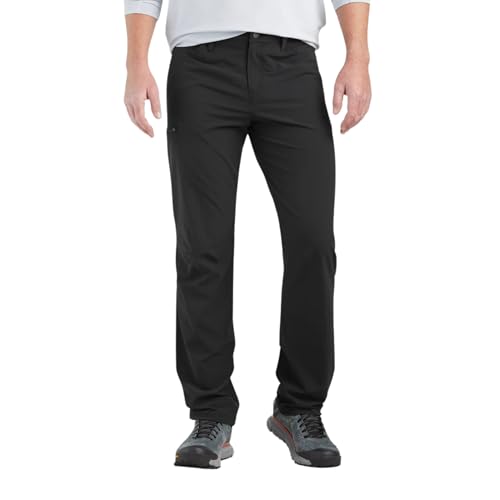
The explicit inseam makes this a useful example of verifying size and length separately.
Consider: Other Ferrosi inseams and departments require separate checks.
Check on AmazonEditorial selections from the products considered for this guide; not hands-on test awards. Budget and premium describe positioning, not a guaranteed current price.
Read beyond the large family name. Words such as Utility, Convertible, Slim, Standard, Relaxed, II and Pull-On can describe meaningful differences. They are not reliably interchangeable tags. A comparison written for one version should not silently become evidence for another simply because both share the brand and the first part of a name.
Columbia's Silver Ridge Utility Pant and Silver Ridge Utility Convertible Pant are a clear example. The convertible version includes detachable lower legs, while the full-length version does not. Older Silver Ridge listings may use other names. Start with the selected item, not a general memory of the collection.
prAna's Stretch Zion range provides another reason to be exact. The manufacturer distinguishes named versions, including Standard and Relaxed, and the documented compositions can differ. If an Amazon title says only Stretch Zion, do not assume that the newest manufacturer specification applies. Look for a style reference or other matching evidence.
When you change a size or color, inspect the visible title, photo and selected attributes again. Some listings retain a familiar main image while the details describe a different configuration. The task is not to memorize how every marketplace page behaves; it is to confirm the final item just before ordering.
Pay particular attention to inseams. A number that appears after the waist may represent leg length, but alphabetic labels such as Short or Tall require the brand's own explanation. A regular size selected in one product family does not establish the same inseam as regular in another.
Keep cropped, capri and full-length options distinct. A petite full-length pant is not automatically the same garment as a capri with a similar measured leg. Rise, knee shaping and pocket placement can differ. If your requirement is a full-length hem over trail shoes, select by that requirement rather than by the shortest number available.
Determine whether the chart lists body measurements or measurements of the garment. A body waist measurement tells you which size the brand intends for a person. A flat waistband width describes the trousers and may need a different interpretation. Confusing these systems can make a well-presented chart actively misleading.
Measure without pulling the tape tighter to obtain a preferred size. Record waist and hip measurements where the manufacturer's guide specifies, and note the units. If you are between sizes, read model-specific fit advice rather than importing a universal instruction to size up or down.
Outdoor Research's size and fit guide distinguishes several charts and fit categories. That is useful context, but it does not prove that every individual Amazon listing is offered in every charted size. The selected product's available configuration remains the item you are assessing.
A familiar waist size can distract from an unsuitable leg length. Compare the listed inseam with trousers whose length works with the footwear you intend to use. Keep the measuring method consistent and avoid measuring a heavily stretched or bunched leg.
Use the hiking-pants length guide if you are uncertain about the desired hem position. The online check is simply to establish whether the product offers that length. If the listing does not say, an attractive photograph is not enough to infer it.
Consider alterations only after identifying cuff features. An ankle zipper, adjustable drawcord or shaped panel can complicate shortening. Buying a cheaper long pair on the assumption that any hem can be shortened inexpensively may produce the wrong value calculation.
A product title, feature bullet and manufacturer page may not describe the same generation. If one says nylon and another says polyester, do not average them or choose the source that supports your preferred conclusion. First check whether you are comparing the same exact model.
The current Columbia Men's Silver Ridge Utility Pant is documented by its manufacturer as recycled polyester. That fact should not be used to rewrite an older Silver Ridge Cargo listing. Similarly, a model family's stretch reputation does not establish the percentage or behavior of elastic fiber in every version.
If identity remains uncertain, keep the uncertain feature out of your decision. You may still choose the item if that detail is unimportant and the purchase terms suit you. If it is the reason for buying—for example, a particular fiber requirement—choose a better-documented option or seek clarification from the seller or manufacturer.
Images can show pocket position, cuff construction, seams and waist hardware. Zooming can help identify what deserves closer inspection. It cannot reliably establish the depth of a pocket, the stretch of a waistband or a fabric weight without supporting information.
Product photos can also depict a different color or styling context from the selected item. Read captions and attributes rather than treating every image as proof of the selected variation. A belt shown in a photograph may not establish that a belt is included unless the listing confirms it.
Customer images may provide useful clues, but they can represent a different size, body shape or product revision. Use them to identify questions, such as whether a cuff looks unusually narrow, then resolve those questions with product details and your own fitting. They are not a standardized test panel.
Once the garment identity is clear, inspect who sells and fulfills the selected offer. Read the stated delivery and return conditions on Amazon, including any exceptions relevant to the item. Those details can change and should not be inferred from another listing or from this site's editorial recommendation.
HikingPants.net publishes comparisons and sends readers to Amazon. Purchases, shipping, warranties and returns are handled according to the actual parties and terms shown there. A recommendation here does not add a separate return promise or guarantee that a manufacturer's service policy applies to every purchase.
Check the final price after selecting your size. A low amount associated with a different color or inseam may not apply to you. Avoid rushing an uncertain choice because a general listing appears discounted; the exact item and terms are what determine whether the offer suits you.
Save a short record of the ordered model, size, inseam and the feature that mattered most. On arrival, compare the garment label and selected attributes with that record before removing tags or altering anything. Follow the seller's conditions when deciding how to inspect or try on the item.
If the identity matches, assess movement with your shoes and pack using the fit check. If it does not match, resolve the order issue before judging the intended model. A wrong version is not meaningful evidence that the recommended version fits badly.
For future replacement purchases, retain the actual garment's style and care-label information. Reordering by an old bookmarked title alone can fail when listings or product generations change. A few specific notes preserve what worked: the cut, usable inseam, waist arrangement and any alteration you made.
Before acting on a review about a tight waist or unusually long leg, look for the size and version associated with it. A comment from a different cut may not resolve your question. A reviewer who provides body measurements and names the selected inseam gives more relevant context than an unexplained instruction to buy a size larger. Even that detailed report remains one person’s experience, not a replacement for the manufacturer chart.
Sort the useful observations into questions you can answer: whether the cuff clears your boots, whether the listed rise suits you, and whether the pocket can hold your own phone. Avoid converting a cluster of subjective comments into an invented numerical fit rule. Reviews help focus an inspection; they cannot guarantee that your body and selected variant will produce the same result.
When a family name appears across several listings, collect only the clues that help distinguish them: the style number if shown, the exact cut word, the closure type and a distinctive pocket arrangement. A general claim such as comfortable adds little to that identification. A named Pull-On or Convertible construction is more useful. Do not reconstruct an absent style number from a similar photograph; leave it unresolved and ask whether the remaining evidence is sufficient for your purchase decision.
It is a useful starting point, but verify the new model chart and fit description. Different cuts, rises and waist constructions can change how the same label fits.
Check the version and style reference before deciding either description applies. If the fabric is essential to your choice and the conflict remains unresolved, seek clarification or select a clearly documented item.
No. Short may describe leg length only. A true petite pattern can also change rise and feature placement. Use the seller and manufacturer terminology accurately.
Make the final selected listing—not the general search result—the object of your decision. Verify identity, measurements and purchase terms in that order. Silver Ridge, Ferrosi and BALEAF examples show why family names, inseams and closure styles need attention even when the broad recommendation is sound. Preserve the details that explain what you ordered, then compare the arriving garment with them. That small discipline gives future reviews and replacement purchases a reliable reference instead of a remembered product title.