
prAna Men's Stretch Zion Pants
A useful starting choice when adjustable webbing and zipped cargo storage match the intended day hike.
Consider: Confirm Standard rather than Relaxed or II; the cut may not suit every build.
Check on Amazonmodel comparisons
A pant that feels excellent on a steep step can become irritating when a phone pulls at the pocket or a belt buckle sits beneath a backpack. That is the useful way into Ferrosi versus Stretch Zion. Both names cover several listings, but the decisions are concrete: how the waist is adjusted, where essentials ride, and which exact Zion cut you are comparing. Start there instead of choosing from the reputation of either brand.
Three places to start
As an Amazon Associate I earn from qualifying purchases. Purchases take place on Amazon.
A useful starting choice when adjustable webbing and zipped cargo storage match the intended day hike.
Consider: Confirm Standard rather than Relaxed or II; the cut may not suit every build.
Check on Amazon
The observed lower-cost alternative for shoppers prioritizing a workable fixed-leg fit over the exact Ferrosi/Zion adjustment details.
Consider: A separate model; do not transfer Cliffside or Zion specifications to the chosen listing.
Check on Amazon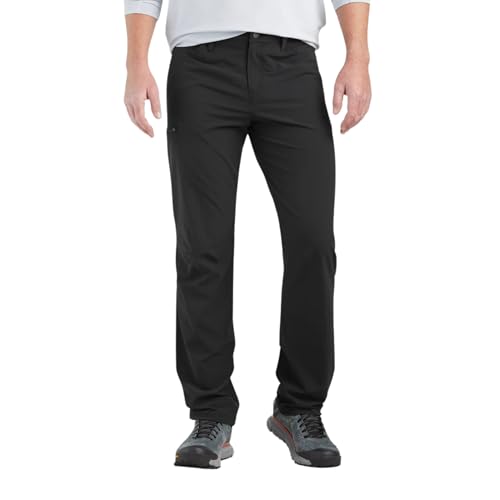
The higher-priced option in this shortlist for readers who prefer Ferrosi’s documented drawcord and stretch construction.
Consider: Higher price does not establish superior comfort or rain protection.
Check on AmazonEditorial selections from the products considered for this guide; not hands-on test awards. Budget and premium describe positioning, not a guaranteed current price.
Outdoor Research’s current men’s Ferrosi page describes a nylon-and-spandex pant. prAna’s current Stretch Zion Standard page identifies a standard straight cut and a 95% recycled nylon, 5% elastane fabric. A separate Stretch Zion Relaxed page lists a relaxed straight cut and 97% nylon, 3% elastane. These are not two interchangeable ways of describing one specification.
The practical consequence is simple: an online listing headed only “Stretch Zion Pant” needs another look. Check the garment name, style details and selected fit before copying a size recommendation or fabric percentage from a review. Older Zion II and Slim II listings add another distinction. A bargain on one version does not establish that you are buying the other version at a lower price.
For this comparison, the most useful reference is Ferrosi against the specifically labelled Stretch Zion Standard. If you prefer a roomier Zion cut, repeat the fit assessment with the Relaxed version. The Zion versus Brion comparison addresses the different question of pocket design within prAna.
Ferrosi’s documented waistband has an internal drawcord and a tricot lining. The manufacturer also describes it as harness-compatible. Zion Standard uses adjustable webbing at the waist. Those are different adjustment experiences, even if both pants can be made to stay up when standing in a bedroom.
With the intended hiking shirt tucked or untucked as usual, sit down and then tighten your backpack hipbelt. Notice whether the pant adjustment sits below the belt or directly beneath it. Take several high steps before making another adjustment. A waistband that only needs a light correction is a better starting point than one you must keep cinching to stop the seat dropping.
Neither design wins for every torso. A short distance between the hipbelt and trouser waist can make hardware placement unusually noticeable. Someone carrying a light waist pack may experience the opposite problem: a phone in the trouser pocket pulls at a less structured waistband. The correct comparison uses your load and waistband position, not a generic claim that one adjustment system is more comfortable.
Zion Standard’s manufacturer description identifies a zipped cargo pocket, a concealed front zipper with a key loop and a ventilated gusset. Ferrosi’s current page identifies a zipped security pocket at the right hip and a zipped rear pocket. This changes the carrying decision before any difference in fabric becomes important.
Put the items you really carry into the candidate pockets. A large phone may fit inside a pocket yet press across the hip crease when you sit. Keys that seem unobtrusive at the trailhead can move against the thigh with every step. A cargo location can lower that weight, but it also introduces a pouch and closure where you might prefer a cleaner leg.
Work out which items belong in the backpack instead. If your phone stays in a shoulder-strap pocket and your keys stay inside the pack, a cargo pocket may offer little benefit. If you frequently navigate with a phone and want it on your trousers, access under the hipbelt deserves more attention. Neither the presence nor absence of a cargo pocket proves better hiking performance.
A higher elastane or spandex percentage is not a direct measure of comfort. Weave, panel shape, thigh circumference and the starting size all influence movement. Ferrosi’s current manufacturer page lists a fabric with 14% spandex, but that does not mean it will fit a particular person better than a Zion with a lower stretch-fiber percentage.
Try a long forward step, a sideways step and a controlled squat. Watch whether the waist drops at the back and whether the knee pulls the hem upward excessively. If the trouser only moves freely when the waist is too large, you may need another cut rather than more stretch. Empty the pockets and repeat a movement once to separate poor fit from uncomfortable cargo placement.
Consider how the pant rests on your footwear after the movement. Extra fabric bunched around a low shoe and a hem that catches high on a boot are different problems. Ferrosi listings explicitly include several inseam options, while Zion versions also require their own length selection. Use the selected garment’s measurements instead of assuming equal printed inseams create an identical finished fit.
Outdoor Research describes Ferrosi as water- and wind-resistant. prAna describes a durable water-repellent treatment on the referenced Zion models. Those claims are relevant to brief damp contact and changeable conditions, but neither establishes a waterproof membrane, sealed seams or the performance of a dedicated rain pant.
There is no controlled side-by-side drying or air-permeability result behind this guide. We therefore cannot tell you that one model dries a particular number of minutes faster or breathes a fixed percentage better. A synthetic stretch fabric can be a useful hiking starting point while the actual sensation still changes with fit, pace, humidity and what is worn beneath it.
For a warm climb, reduce the decision to manageable questions. Is the chosen pant lined? Does it leave enough space for movement without excess fabric? Can you tolerate its waistband under a sweaty pack? For a rainy itinerary, decide separately which shell you will carry. Buying a more expensive everyday trouser does not eliminate the need to plan for prolonged rain.
The third option in the shopping panel is an ATG by Wrangler Synthetic Utility listing. It is not a hidden third member of the Ferrosi–Zion comparison; it is a lower-priced alternative to investigate if both named models exceed your budget. Its exact size and selected listing still matter, especially because current Wrangler pages can use the related Cliffside naming.
The useful budget question is which feature you would miss. If a comfortable fixed-leg fit and ordinary pocket access cover your needs, the premium attached to a particular stretch construction or waist adjustment may not be essential. If you repeatedly use a cargo zipper under a pack, a cheaper pant that puts that pocket in the wrong place is not automatically better value.
Compare the total decision rather than dividing price by a feature count. An unnecessary alteration, a poor inseam choice or an uncomfortable waistband can erase an apparent saving. Current Amazon prices vary by listing and size; the panel’s budget label describes the observed shortlist position, not a guaranteed lowest price for all buyers.
Consider a walker who uses a compact day pack, stores the phone on a shoulder strap and spends most of the route taking uneven steps. Ferrosi’s documented drawcord arrangement and stretch construction make it a reasonable first fitting. The test is whether that combination remains stable without extra tightening once the wearer climbs and sits.
Now consider someone who combines a long drive, an afternoon walk and errands in one outfit, and keeps navigation and keys on the trousers. Zion Standard’s webbing adjustment and cargo layout may be more useful. That person should pay particular attention to the loaded pocket in the driving position and decide whether the straighter leg suits the footwear used throughout the day.
These examples are decision paths rather than accounts of product testing. If the first person finds Ferrosi too close through the seat, the proposed advantage disappears. If the second person dislikes a thigh pocket, Zion’s feature becomes irrelevant. Let the fit and carrying check overrule the initial shortlist rather than forcing the body to suit the preferred brand.
Before choosing Ferrosi, confirm the exact inseam, inspect the internal drawcord arrangement and identify which pocket will hold the phone. Before choosing Zion, read the complete fit name, distinguish Standard from Relaxed or II, and check that the webbing adjustment sits well beneath the intended pack. These details settle more real disagreements than a broad declaration that one brand is better.
Also check the garment care label before treating it with a water-repellent product. A finish can require maintenance, but a general DWR discussion is not permission to apply any chemical to any stretch fabric. Follow the instructions for the actual garment and avoid using a care method copied from another generation.
Keep a short note of the inseam and cut that worked. If you later buy a second color, compare its exact title again rather than assuming the first purchase establishes every subsequent variant. A consistent model name is helpful evidence; a similar product photograph is not enough to confirm identical construction.
No. The current manufacturer pages describe different cuts and different fabric compositions. Read the full name on the exact listing, especially when an older review refers simply to Stretch Zion.
Not by itself. Stretch fiber content does not account for the weave, cut, rise or chosen size. Compare a high step and seated fit with your actual pocket load before deciding.
The referenced garments are described using water-resistance or water-repellent treatment language, not the construction of a waterproof rain shell. Plan a separate rain layer when the itinerary requires it.
It provides a clearly identified lower-cost alternative for readers who do not need the exact Ferrosi or Zion feature set. It is not included in claims about the compared pair’s specifications.
Choose between Ferrosi and the correctly identified Zion version by testing the waist and the pockets under the load you actually carry. Ferrosi is the stronger starting point here for a drawcord-based, stretch-oriented fit preference; Zion Standard is the more relevant starting point when its adjustable webbing and cargo arrangement solve a concrete carrying need. Reject either if the selected cut restricts movement. The extra ATG option gives budget-conscious readers a separate path, while the exact Amazon listing and garment label keep model-generation assumptions out of the final decision.