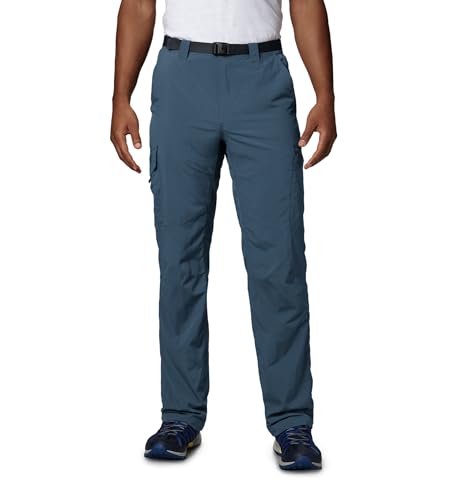
Columbia Men's Silver Ridge Cargo Pants
Exact 36-inch catalog listing supplies a concrete long-leg reference.
Consider: Cargo is distinct from Utility, and this selected waist may not suit every reader.
Check on Amazonfit
A long inseam is easy to notice in a product filter. A back rise that remains comfortable when sitting is harder to judge from a listing, yet it can determine whether tall hiking pants work on the trail. Extra length below the knee does little for a garment that pulls downward above it. Evaluate where the length is added, how the pants move and which exact waist-and-inseam combinations are actually offered.
Three places to start
As an Amazon Associate I earn from qualifying purchases. Purchases take place on Amazon.
Exact 36-inch catalog listing supplies a concrete long-leg reference.
Consider: Cargo is distinct from Utility, and this selected waist may not suit every reader.
Check on Amazon
Long-inseam title and selected 36-inch listing offer a lower-price comparison.
Consider: Verify selected waist and length; do not repeat the unverified waterproof wording.
Check on Amazon
Dedicated 34-inch option for hikers whose regular length ends too soon.
Consider: A longer leg does not establish a revised tall rise.
Check on AmazonEditorial selections from the products considered for this guide; not hands-on test awards. Budget and premium describe positioning, not a guaranteed current price.
Measure the inseam of a pair that works, using its finished crotch seam and hem as landmarks. Note the waistband position, rise and hem opening too. A measurement from low-slung casual trousers may not transfer neatly to a mid-rise hiking pattern, even if the number seems familiar.
If you need more coverage than the reference offers, describe where. Too much ankle exposure when seated differs from a short back rise that pulls the waistband down. Both may feel like the pants are too short, but adding two inches at the cuff addresses only one of those observations.
Record the footwear used in the comparison. A tapered cuff can catch on a boot collar and sit higher than expected; a wider opening can drop farther over a low shoe. Use the footwear and inseam check to decide what actual hem position you want before filtering for the longest available pair.
A long inseam describes the inside-leg length. A tall pattern may also change torso or feature placement, but you should not assume that from the label alone. Ask whether the manufacturer changes rise, knee location or pocket placement between regular and tall options.
Consider two hypothetical hikers who both need a 34-inch inseam. One has a relatively short torso and may fit a regular-rise long leg. The other may need more rise as well as length. They should not necessarily choose the same model even though the size filter treats them as identical.
Likewise, ordering a larger waist can add unwanted circumference without adding enough usable rise. If your current size is correct around the waist and hips, look for a pattern that changes the missing dimension. This preserves waistband stability instead of creating folds under a tightly pulled belt. The wider movement fitting guide can help isolate that difference.
Sit in the pants for several minutes, then lean forward as if reaching your laces or opening a pack on the ground. Notice whether the rear waistband drops, the front closure presses, or the crotch feels suspended between them. These are useful clues about how rise and seat shape interact.
A higher rear waistband can help some patterns maintain coverage, but the complete fit still matters. Eddie Bauer describes the Men's Guide Pro 2.0 as having a higher back rise and roomier rise than its preceding version. That evidence belongs to the 2.0 model; it is not a reason to assign identical fit to every original Guide Pro listing.
Repeat the seated check with your normal pocket contents. A large phone or wallet can increase local tension and make a seat that seemed adequate feel restricted. If a neighboring size improves the seat but leaves a markedly loose waist, compare a different pattern rather than accepting the tradeoff automatically.
Bend a knee and examine any shaped seams or darts. On a tall wearer, shaping intended for a shorter leg may sit above the actual knee. The pant can have enough total length yet still resist a high step because the extra room is not where the joint bends.
The same issue can affect a convertible zipper. A ring placed too high may feel awkward across the thigh, while one close to the knee can press during sitting. Test both the full-leg and shorts configurations when evaluating a convertible; inseam alone does not describe their useful dimensions.
If the manufacturer's long option retains exactly the same upper-leg construction, it may not solve a misplaced-knee problem. A less shaped straight leg can sometimes be easier to fit than a highly articulated pattern with the wrong landmarks. Choose based on your actual movement rather than assuming that more technical seams always produce a better result.
A listing may display a long inseam in its title while opening on a different waist or color. Confirm every selected dimension before ordering. A brand's chart showing a size range does not establish that the particular combination is currently offered by the seller.
The catalog includes an Outdoor Research Men's Ferrosi Pant with a 34-inch inseam and a specified waist. That is useful evidence of an exact long option, not evidence that all Ferrosi colors carry every long size. Columbia Silver Ridge Cargo also appears in a 42-by-36 listing, but it is a different named model from Silver Ridge Utility.
SEVEGO and other marketplace listings advertise several longer inseam choices, sometimes as a range in a single title. Read the selected option rather than interpreting the full title as the dimensions of the item in the cart. Keep uncertain fabric or waterproof statements separate from the measurable size information; a long inseam does not validate unrelated performance claims.
A useful ordering note names all three selected attributes together: waist, inseam and color. Save it beside the complete model name when comparing sellers. That makes a later substitution visible, especially where the title shows a long length but the option selector resets after a color change. Treat that as a selection check, not evidence that an unavailable combination can be ordered.
Columbia Women's Leslie Falls Pants II lists a 34-inch long inseam, while the Pull-On version lists 33 inches for long. Their waistband constructions differ as well. Choose the model that fits your waist and rise, then assess whether its stated long length is sufficient.
prAna's documented Halle Low Rise Straight Pant lists a 34-inch tall inseam with a low-rise pattern. More cuff length does not make that a high-rise option. Catalog names such as Halle, Halle II and Stretch Zion Halle need exact version matching before using those measurements.
A person shopping across departments should compare the body chart, rise and hip allowance instead of assuming a men's long pair is automatically the solution. It may provide useful length while introducing a waist-to-hip mismatch. Our cross-department comparison guide explains how to make that trial without relying on gender labels as measurements.
Some plain hems contain enough fabric allowance for a modest lengthening, but you cannot count on it from the exterior photograph. A tailor needs to inspect the fold, seam finish and any wear line before estimating what can be released. The resulting fabric may retain a visible crease or different appearance.
Ankle zips, drawcord channels and reinforced cuffs can leave little useful allowance or require more complicated rebuilding. Specialized shell construction adds further questions about seam treatment. Do not cut or unpick a new pair hoping that hidden fabric will provide several extra inches.
If a model is slightly too long yet fits everywhere else, shortening may be simpler than lengthening a short one. That still depends on the cuff features and knee placement. Use the alteration guide to decide whether the proposed work preserves the reasons you selected that pair in the first place.
Put on your pack and walk with the waistband adjusted normally. Reach for a pocket, take a comfortable step and sit. A hipbelt can temporarily hold up pants with an inadequate rise, so remove the pack and repeat a few movements before giving the fit a pass.
Pay attention to whether the longer legs are actually usable. A too-tight calf can prevent the cuff from settling; a low crotch can create an apparently generous inseam that disappears during a step. The solution in those cases is a better relationship among dimensions rather than a longer number in the filter.
Keep the successful waist, inseam and complete model version together in your notes. Also record whether its long option solved knee placement or only hem coverage. Those observations make future purchases more precise and explain why one tall garment can fit well while another with the same inseam does not.
It is a specific length, but tall is a brand-defined label. Some regular size menus include 34 inches; some tall ranges add other pattern changes. Confirm the actual garment measurements and whether rise or knee placement differs.
The missing dimension may be back rise or seat room rather than leg length. Check the waistband position and seat tension during a seated lean. Extra fabric at the cuff cannot replace insufficient rise.
Only if enough usable seam allowance exists and the cuff construction permits it. A tailor should inspect the garment first. Zippers, drawcord channels, reinforcement and a visible old crease can limit the result.
A tall fit succeeds when its extra length appears where you need it. Start with exact inseam choices, but decide with a seated rise check, aligned knees and the footwear you will wear. Keep current model versions separate when comparing manufacturer claims, and inspect the selected size rather than trusting a title that lists several lengths. If the waist already fits, do not enlarge it to chase a few inches elsewhere. The better purchase is the long option whose complete pattern supports your movement and coverage, even if it takes a more selective search.